Airborne Kingdom and Airborne Empire
For two years I was the one QA tester embedded in The Wandering Band's team, first on a finished game and then on its sequel from the earliest builds. I'm credited in both.
- Role
- Embedded QA tester (part-time contractor, remote)
- Studio
- The Wandering Band
- When
- August 2022 to September 2024
- Hours
- 40 a month, about two hours every weekday
- Team
- About four core developers plus contractors
- Platforms
- PC and Xbox
- Tools
- Unity, Git, Jira, Slack, OBS, Google Sheets
- Credits
- Airborne Kingdom, Airborne Empire
- Tested two commercial city builders across about 1,000 hours and two years of weekly sprints, reporting at a weekly stand-up.
- Owned bugs from discovery to closure: found them, wrote the repro steps, then retested every fix and checked nothing nearby had broken.
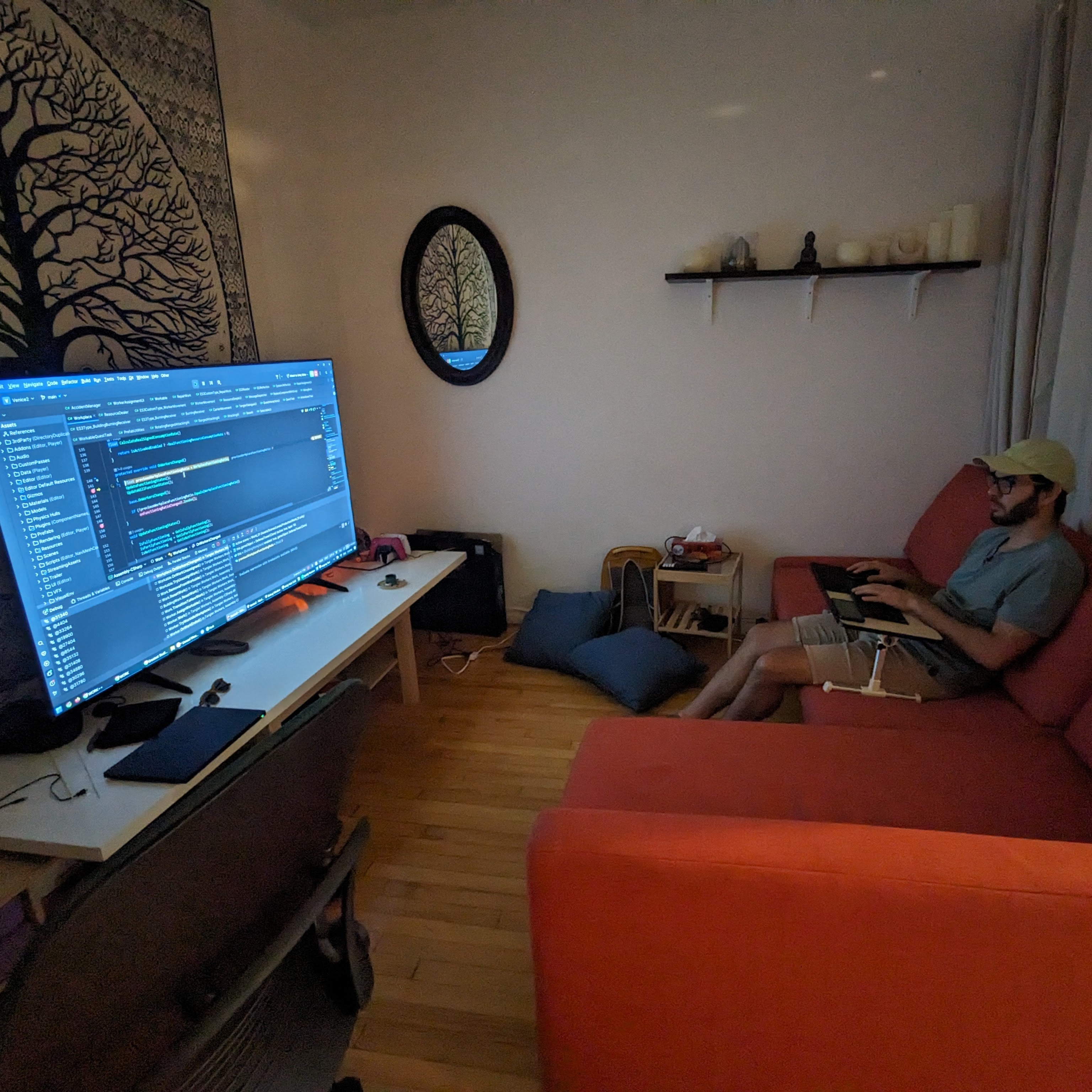
- Generated Dev Builds of Airborne Empire from the Git repository in Unity every day, so I was testing that day's work.
- Took tasks directly from the lead engineer and the lead designer, while an external QA vendor handled performance testing.
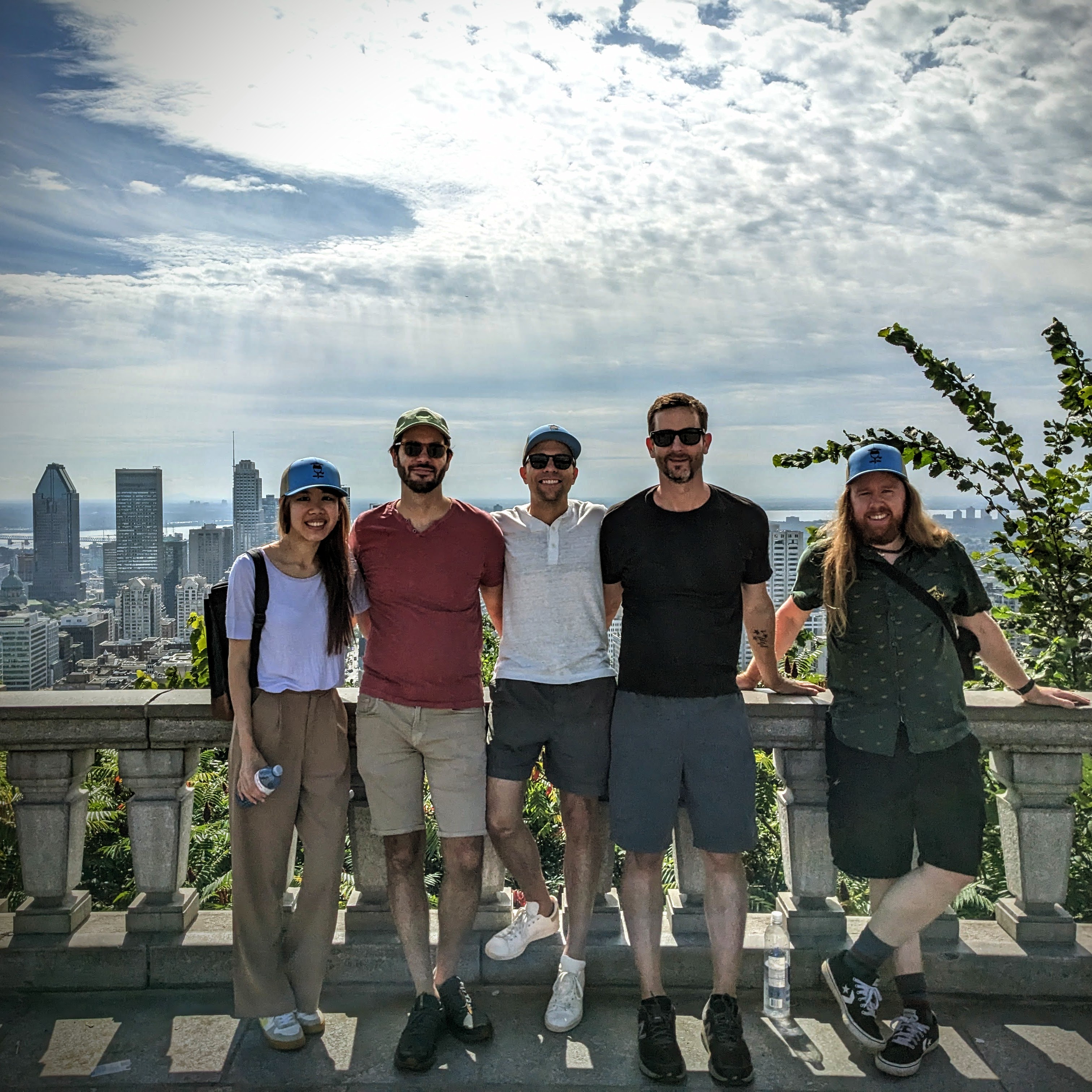
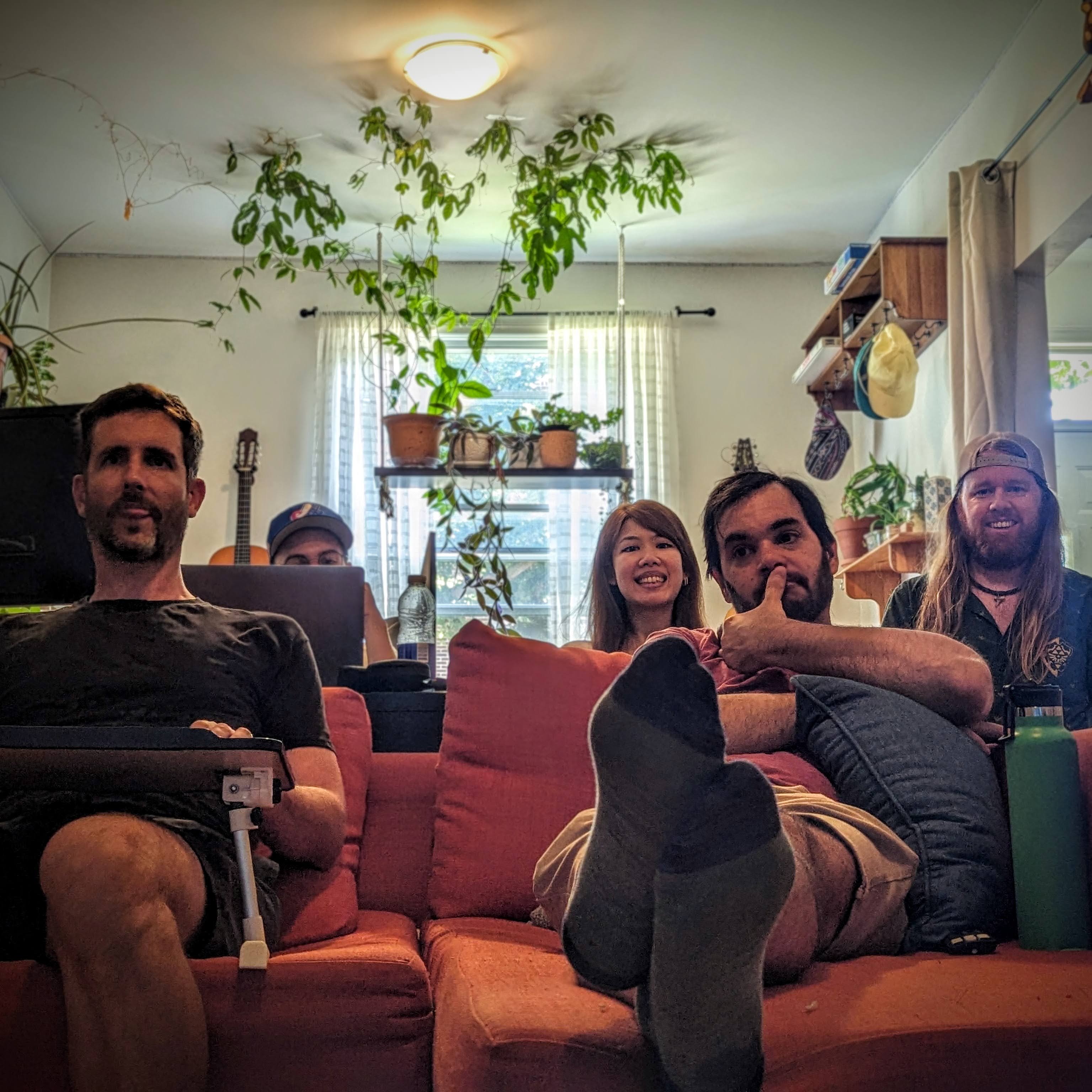
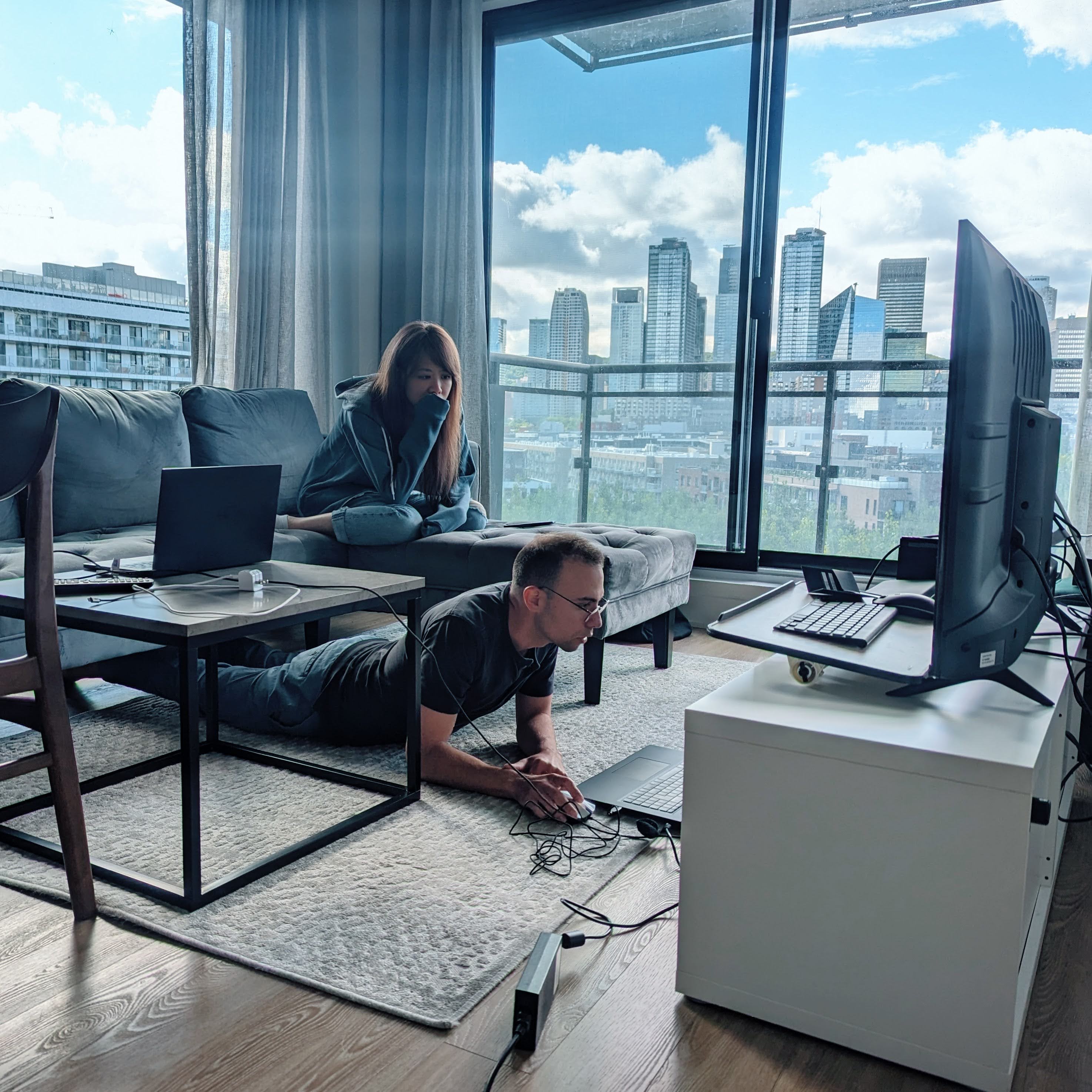
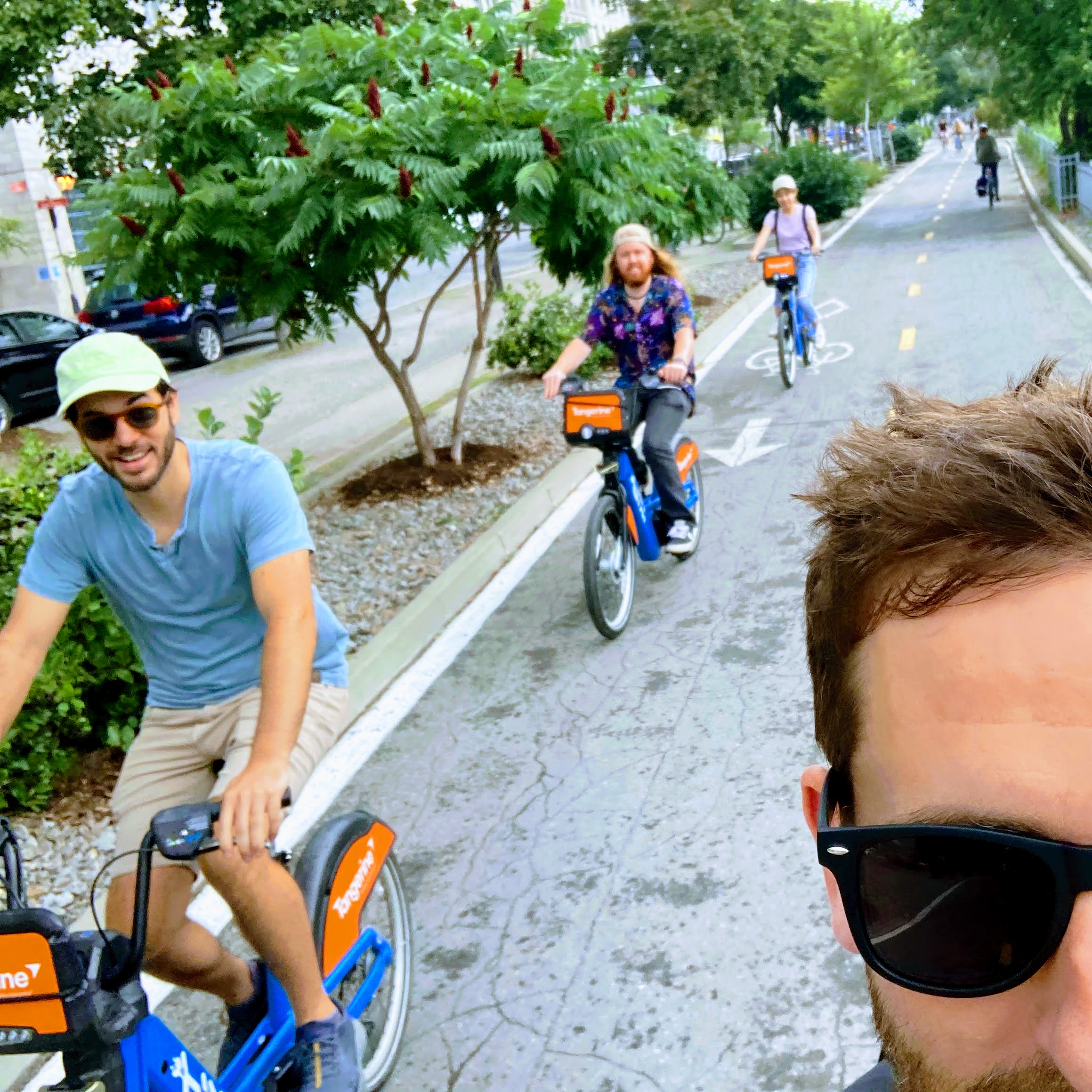
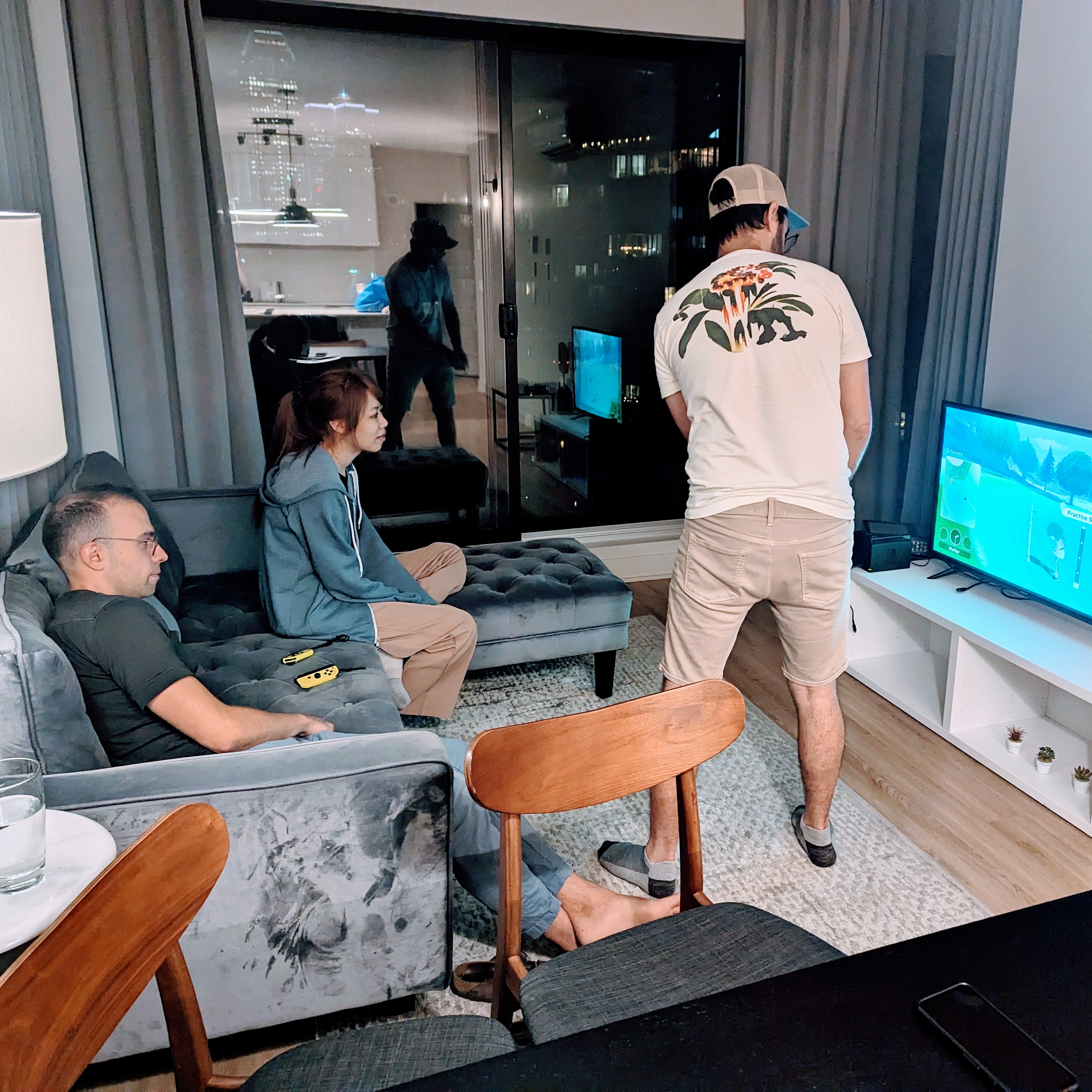
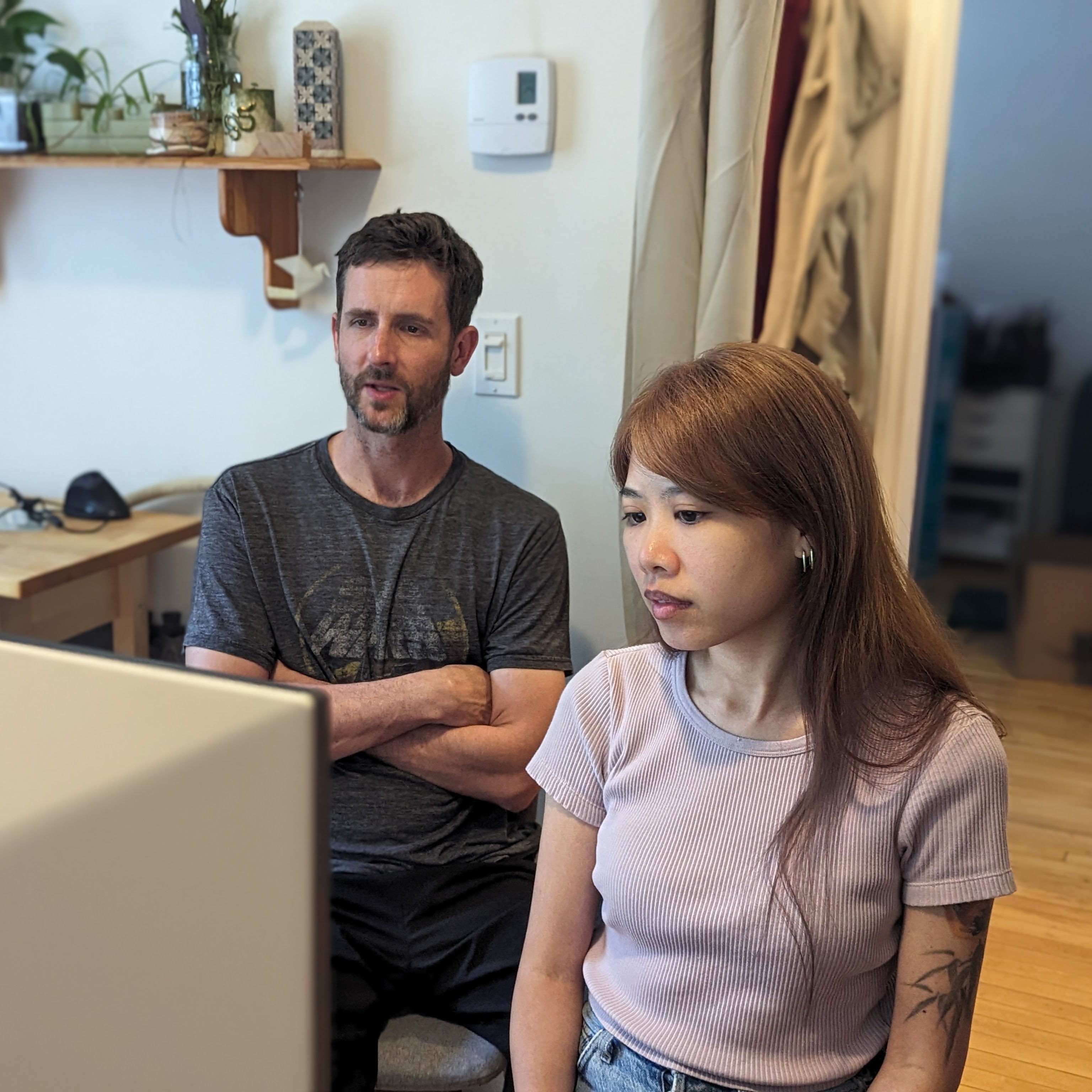
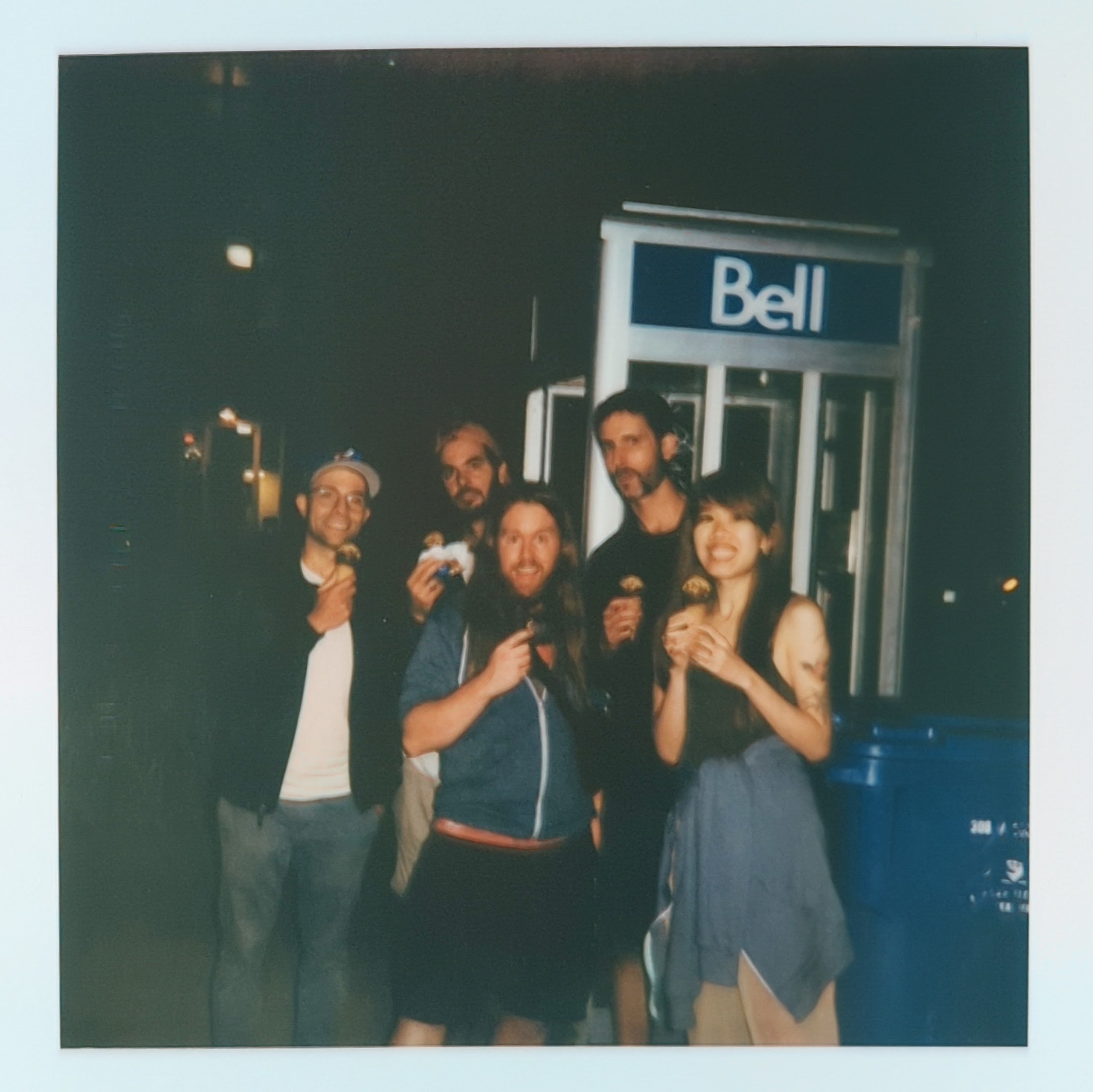
- Spent a week working alongside the team in person at their Montreal retreat in August 2023.
- Built a shared save-file library in Google Drive with a naming convention and a spreadsheet script, so anyone on the team could jump to a specific mission moment.
- Gave balance and pacing feedback that shaped the opening hours of Airborne Empire.
The project
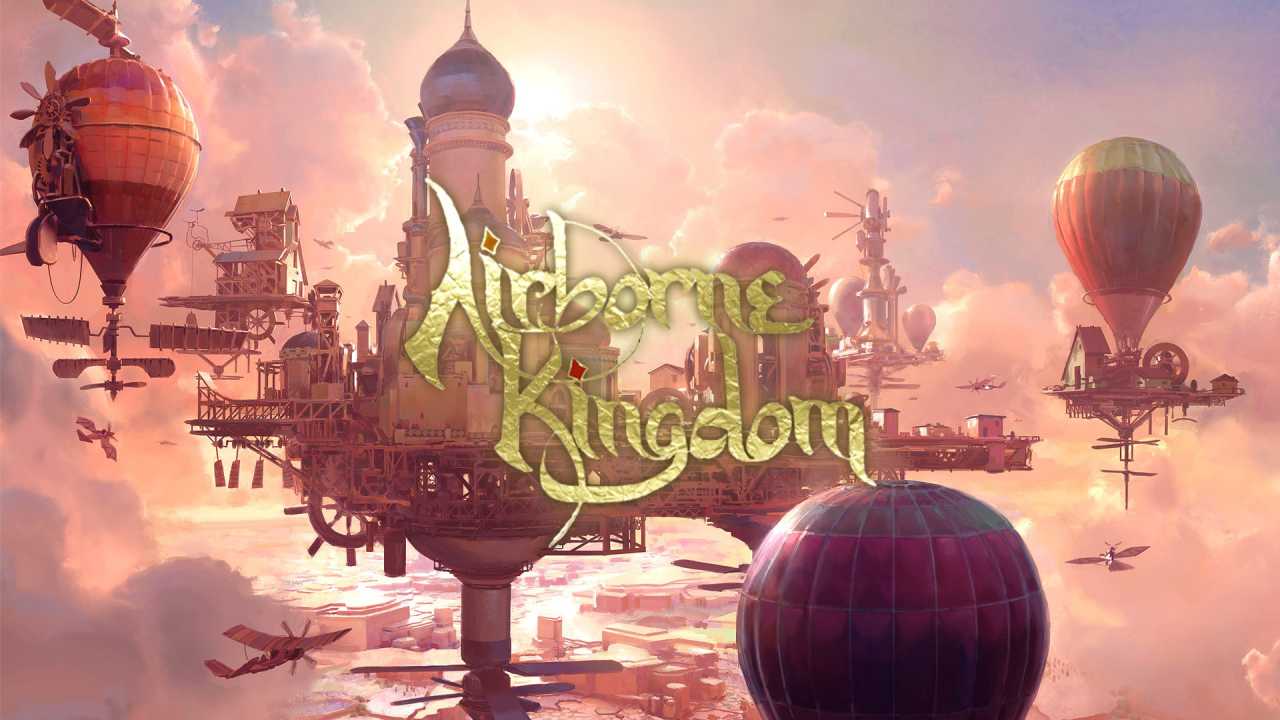
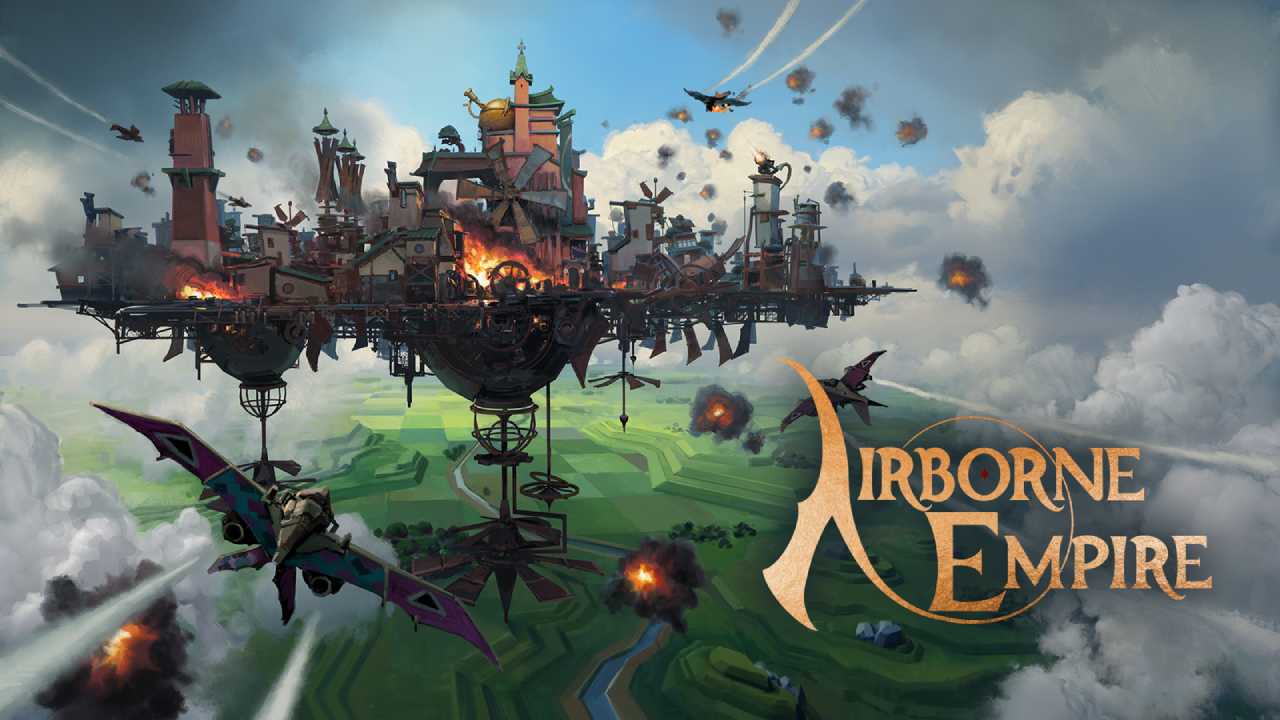
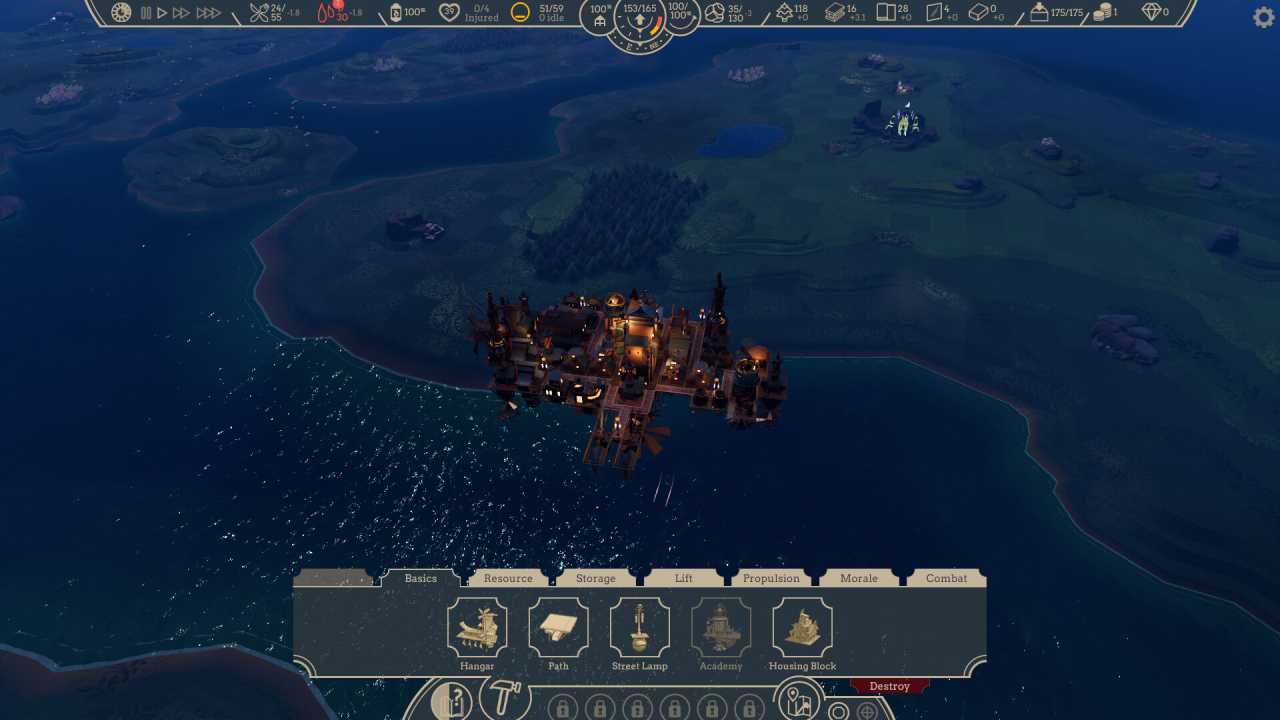
Airborne Kingdom is a city builder where your city flies around an open world, gathering resources. When I joined, it had already launched, and the team was finishing a free update called The Lost Tundra. Its sequel, Airborne Empire, was in very early development. I worked on both, one after the other.
What I owned
- Regression testing: confirming that fixed bugs stayed fixed and that the fix hadn't broken something else.
- Testing new features and mechanics as the lead engineer finished them.
- Smoke tests of new builds, and full playthroughs from the first minute to the last.
- Story checks for the lead designer: dialogue order, campaign flow, spelling, grammar, and the occasional better write was suggested.
- Testing the Xbox build of Airborne Kingdom by streaming from the studio's development kit.
How I worked
Every week was a sprint. At the weekly stand-up I reported what I'd found and the team told me where to look next, which changed from week to week. Everything went through Jira. A bug I reported would come back to me once it was fixed, and I'd run my own repro steps again to confirm it.
I wrote reports a person could follow without me in the room, numbering repro steps in plain language, a screenshot when necessary, and an OBS recording with my own detailed narration when the bug needed to be seen happening.
One thing I pushed for
Airborne Kingdom had a visual glitch that had been in the game since launch. It was rare, nobody had reported it, and the team had accepted it. I found it distracting and was a vocal and respectful advocate for its correction. I kept at it until I could reliably reproduce it for the team. The developers found the root cause and fixed it thanks to my advocacy and perseverence.
Outcome
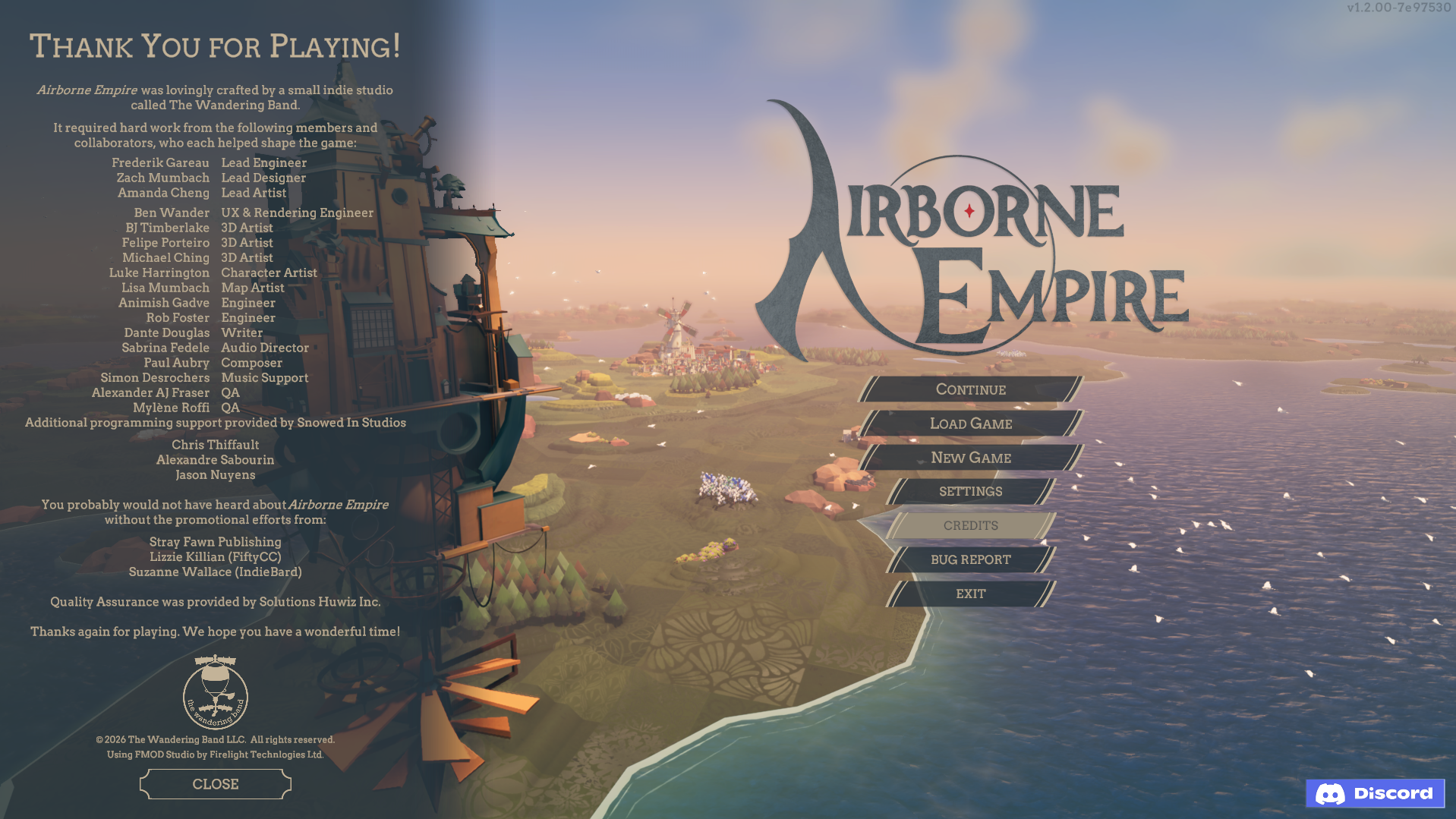
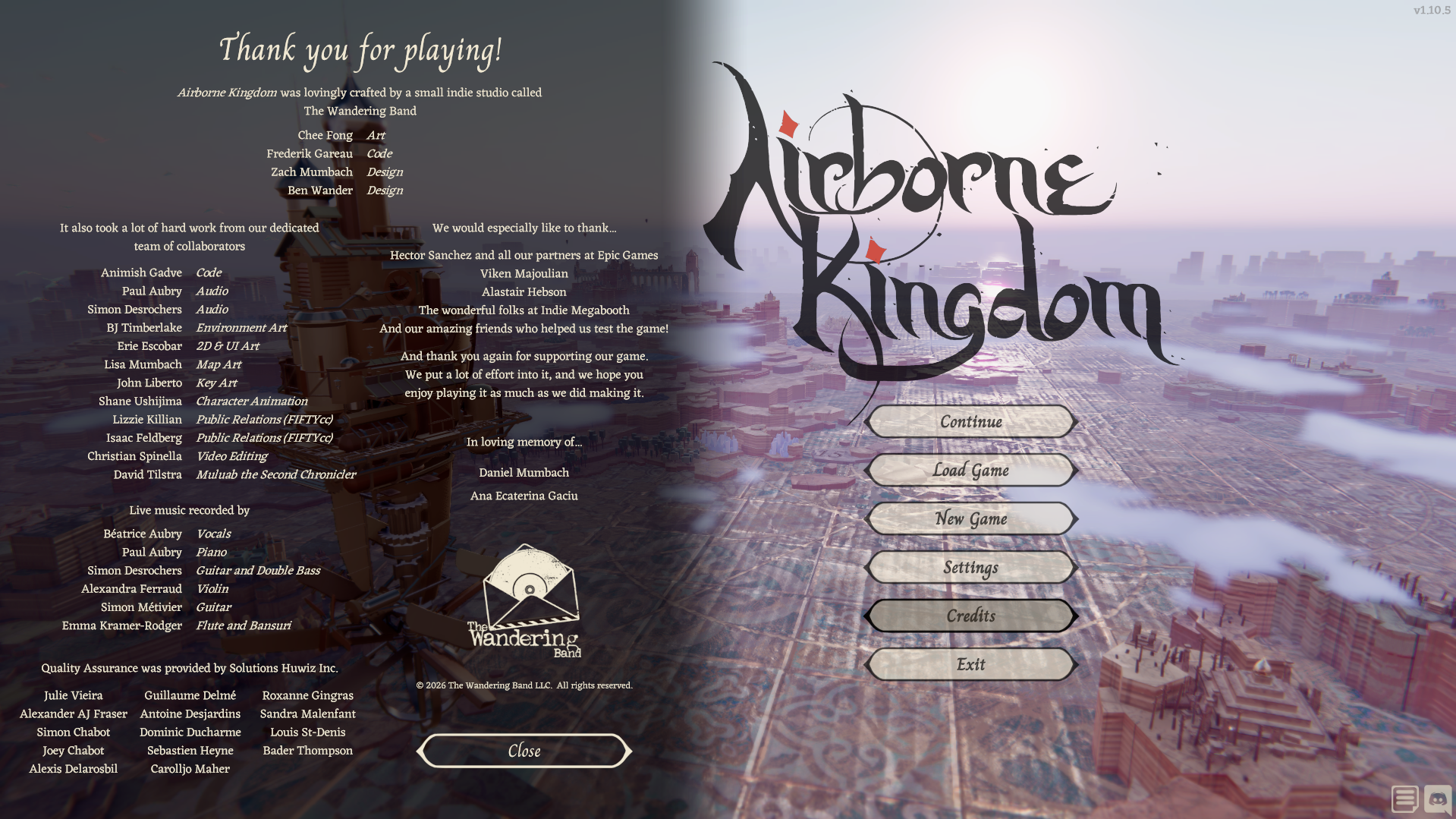
Both games are out, and I'm in the credits of both.
What I'd do differently
I'd build more structure around the repetitive passes. Replaying the same opening for the tenth time is when attention slips, and that is exactly when a game-breaking bug gets through. A written checklist for each pass, and switching between task types more often, would have kept me sharper on the slow days.
How I got in
A childhood friend who worked at The Wandering Band messaged me one day and asked if I wanted to test their game for real money. I had apparently left a really good impression during their public beta playtest with how thorough my reporting was, and how I had a specific knack for finding things regular players might have missed. I was working full-time in quartz countertop manufacturing at the time, but this was a dream come true, so I said yes. I started in August 2022 as a part-time contractor, fitting about two hours of testing around my day job every weekday.
Airborne Kingdom: testing a finished game
My first job was The Lost Tundra, a free update for a game that was already on sale. Development builds arrived daily through the Epic Games Store. I played the whole game from the start through to the end of the new content in one long run, to make sure nothing along the way had broken.
After that the team needed the Xbox version tested. I didn't have a development kit, so I signed in with the studio's developer account and streamed the game from one of theirs.
Even after I moved to the sequel, they'd pull me back to Kingdom now and then. Once it was to run the game on my 2016 laptop, so they could see how it held up on older hardware.
Airborne Empire: watching a game get built
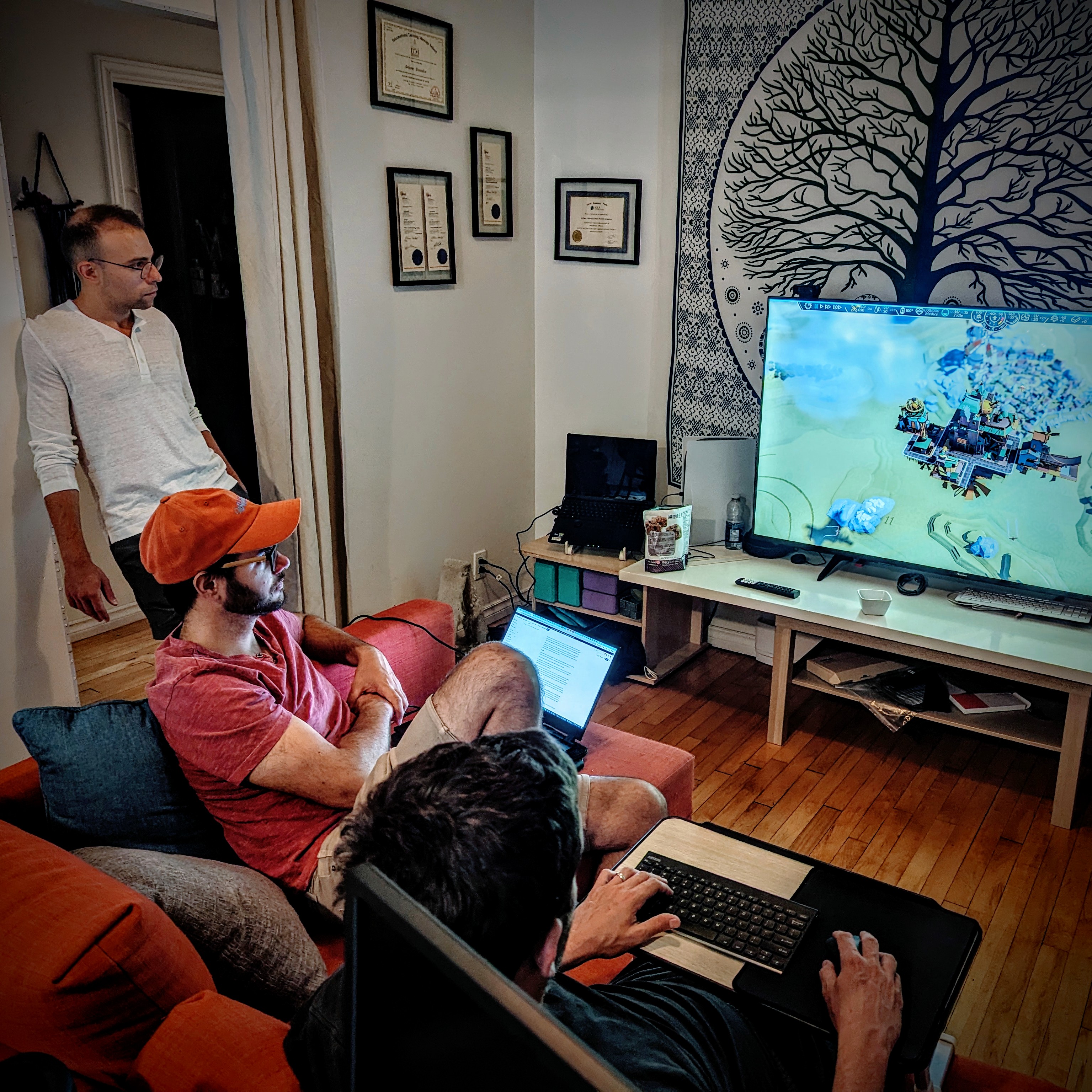
Then I moved to Airborne Empire, and the workflow changed completely. The first builds I played still had the buildings from the first game, with a few of the sequel's new features bolted on. Every day I pulled the latest changes from the Git repository, made a development build in Unity, and played that. It was my first time working inside a game engine.
It was also my first agile team. One week, the lead engineer would hand me whatever feature he'd just implemented. The next, the lead designer would ask for a run from the very beginning to check that the dialogue made sense and the campaign flowed as the script was written in piece by piece. I was welcome in the team Slack too, giving opinions when the artists posted new work and answering questions about my bug reports.
The opening hours got a lot of my attention. If gathering resources took too long, I said so and the team adjusted it. Then it would be too easy, and I'd say that. We went back and forth until leaving the starting area felt earned, and that pacing set the standard for the rest of the game.
By the time I left, the game was unrecognisable from those first builds: three full biomes, aerial combat, and boss fights. The game was far from finished however.
A week in Montreal
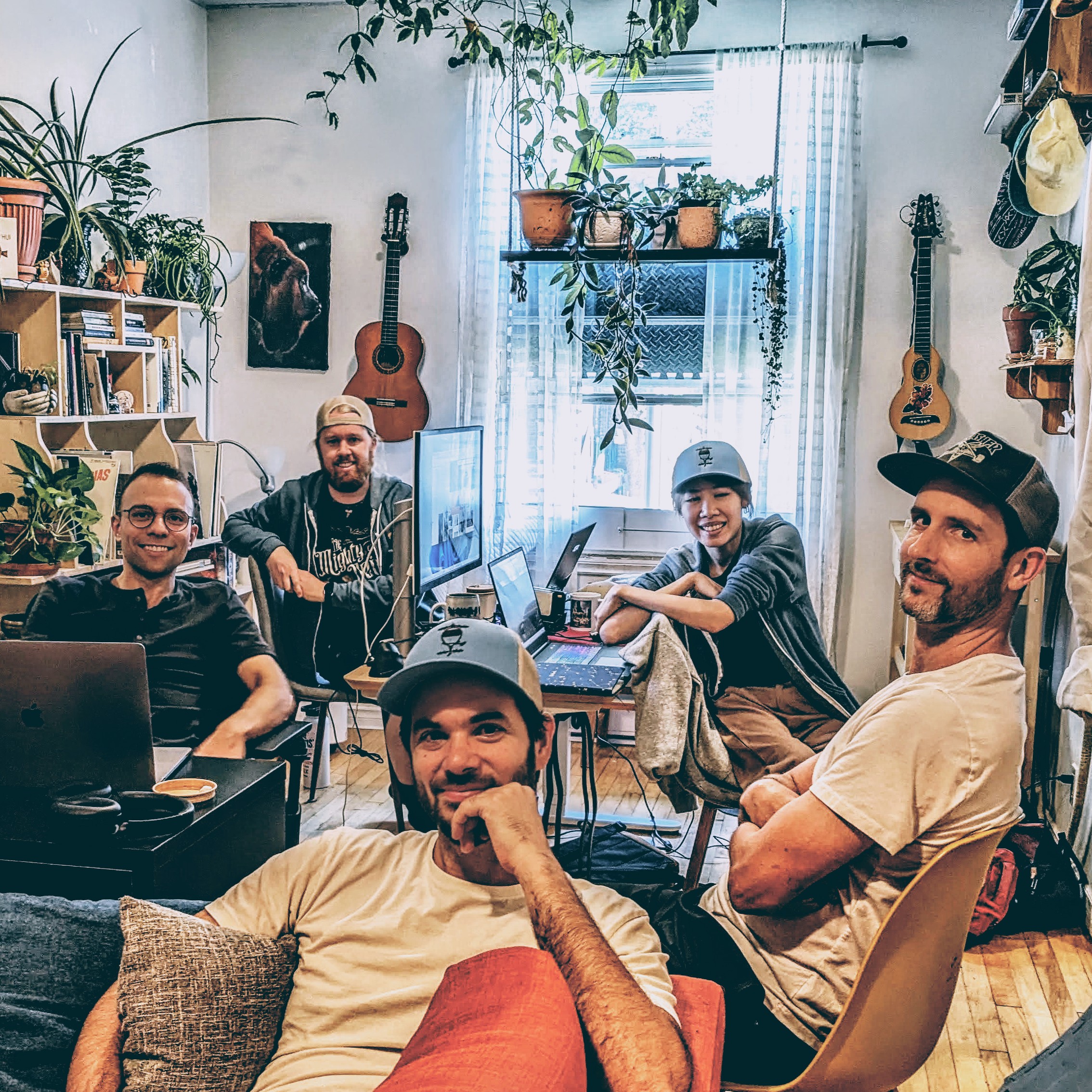
In August 2023, a year into the job, the team invited me to Montreal for a week-long retreat. After a year of Slack messages and stand-up calls, we worked on Airborne Empire together in the same room.
It also happened to be my first time in Montreal/Quebec. Absolutely lovely place and I hope to visit again one day soon.
The one embedded tester
The studio also hired an outside QA company, and that team concentrated on performance. I was the only tester working inside the team. I was privlidged enough to take specific requests, such as retesting one fix or putting a new mechanic through its paces. Most days I could have an answer back to the team in the same day.
The save-file library
At one point the team needed quick access to particular moments in the campaign, and replaying hours of the game to reach one was a waste of everyone's time. So I made saves right before and right after each mission and story beat, naming every file with a mission identifier and its position around that beat.
Then I pieced together a script inside a Google Sheet that searched my Drive for files matching that naming pattern, linking each one in the sheet automatically. Anyone on the team could open the sheet and grab the save they needed. Nobody asked me to build it. It was just the fastest way to stop answering the same request by hand.
What the job is really like
People assume QA means playing games all day. They're correct. You also play the same hour of the same game again and again, and you try your best to stay sane the whole time, because the run where you get sleepy is the run where something game-breaking slips past. Thirteen years in manufacturing taught me how to do repetitive work carefully and safely, so despite the monotony, I persevered and it didn't scare me away from persuing this career path in the near future.
What I took from it
The biggest lesson was how much a small team depends on clear communication. Coming from a factory floor where everyone is competing with eachother for the best productivity numbers, it had been quite the treat to see actual teamwork: a handful of developers who all knew what the others were doing, and who treated Quality Assurance's opinion as worth hearing.
Watching a game go from a rough prototype to something with its own identity brought back how much I love games. When my manufacturing job ended in late 2023, I knew what I wanted to do next. I left The Wandering Band in September 2024 to study game development at Centennial College, at 34. You're never too old to learn something new.