Whispers of Hope
I managed a five-person student team from first pitch to a finished twin-stick shooter in one semester. The game was selected for the Level Up Showcase in Toronto.
- Role
- Project manager
- Team
- 5 people, as Gen-81 Interactive
- When
- January to April 2025
- Course
- First-year practicum, Game Development, Centennial College
- Requirements
- A top-down twin-stick shooter, controller support
- Engine
- Unity
- Tools
- GitHub, Google Sheets, Docs and Forms, Discord
- Platforms
- Windows, web browser
- Shown at
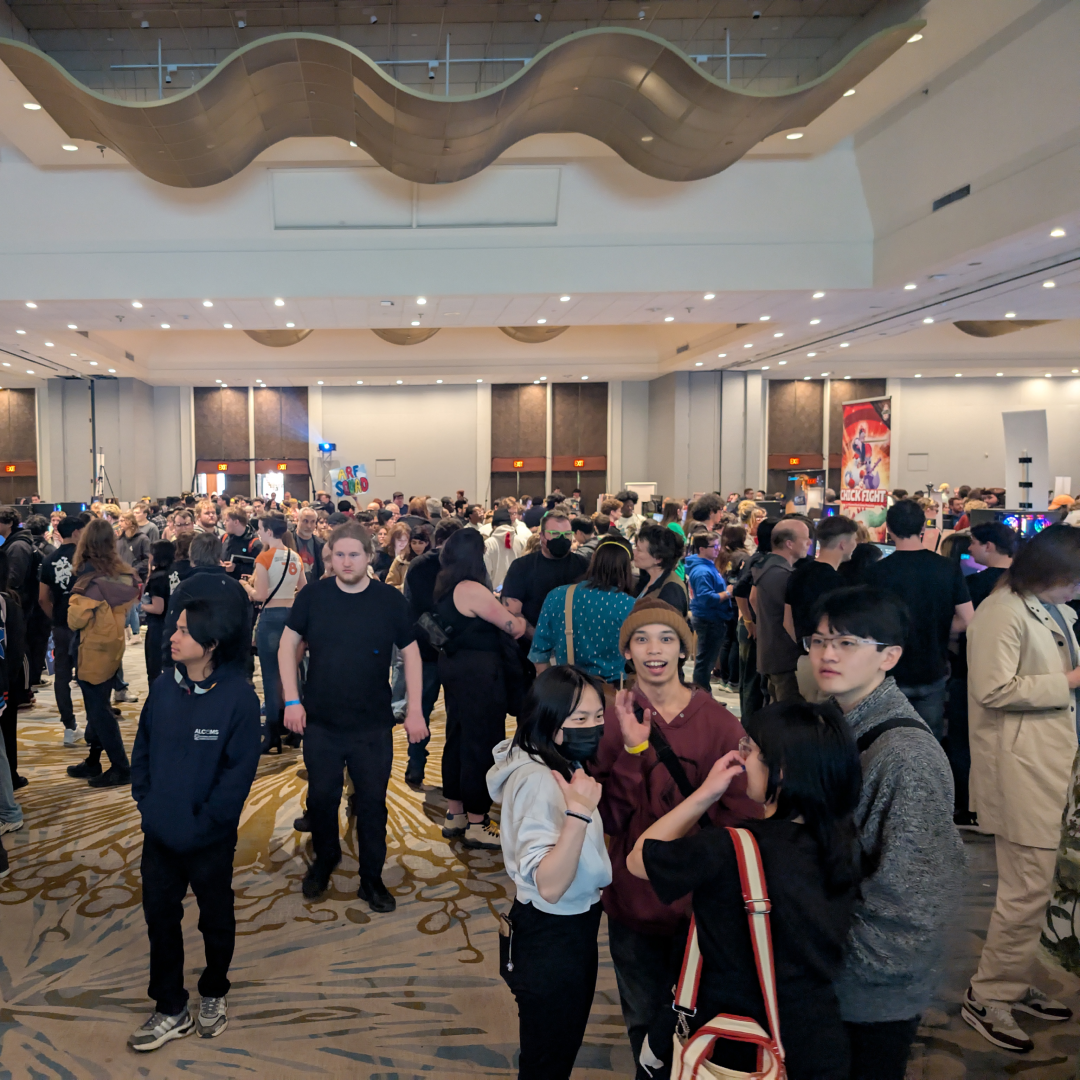
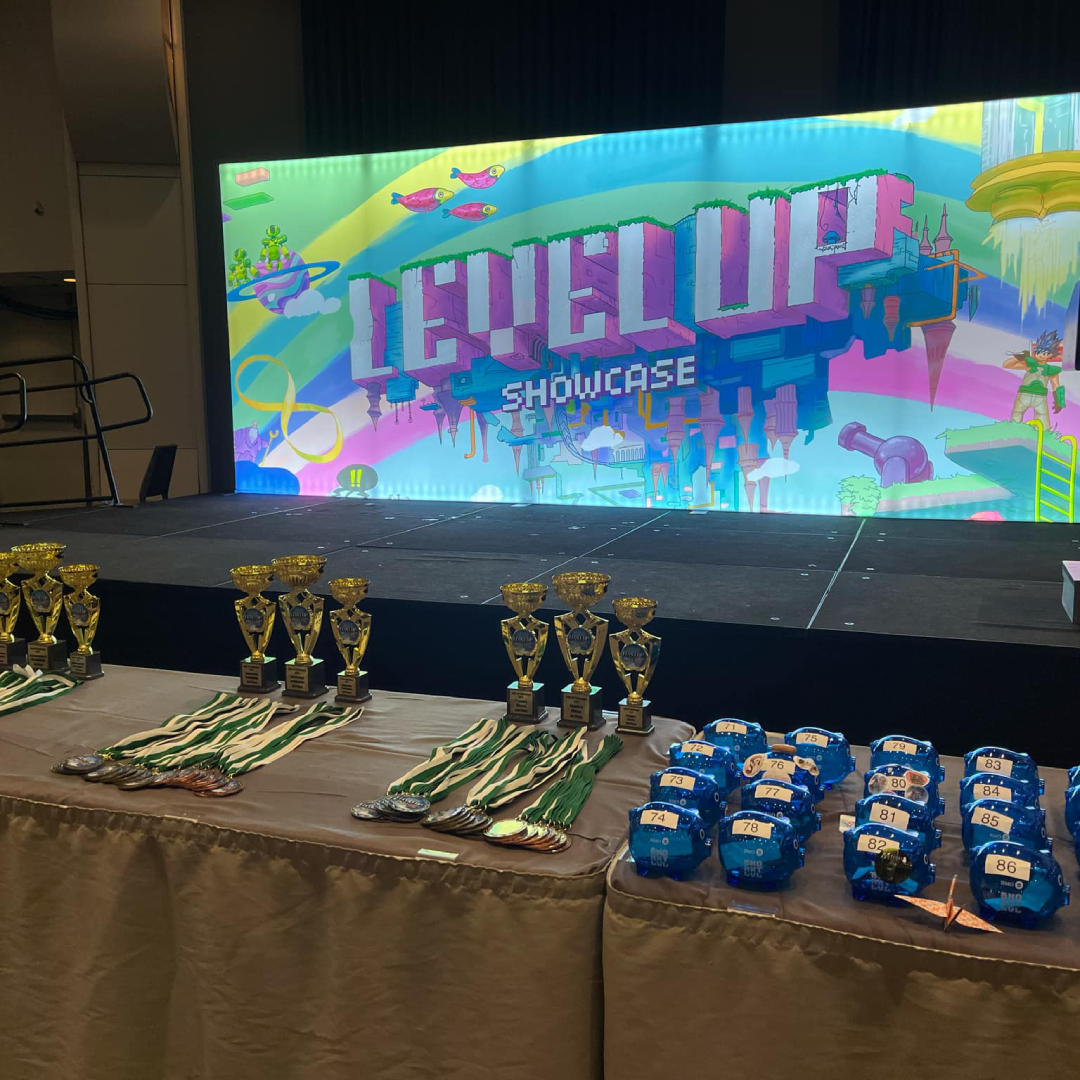
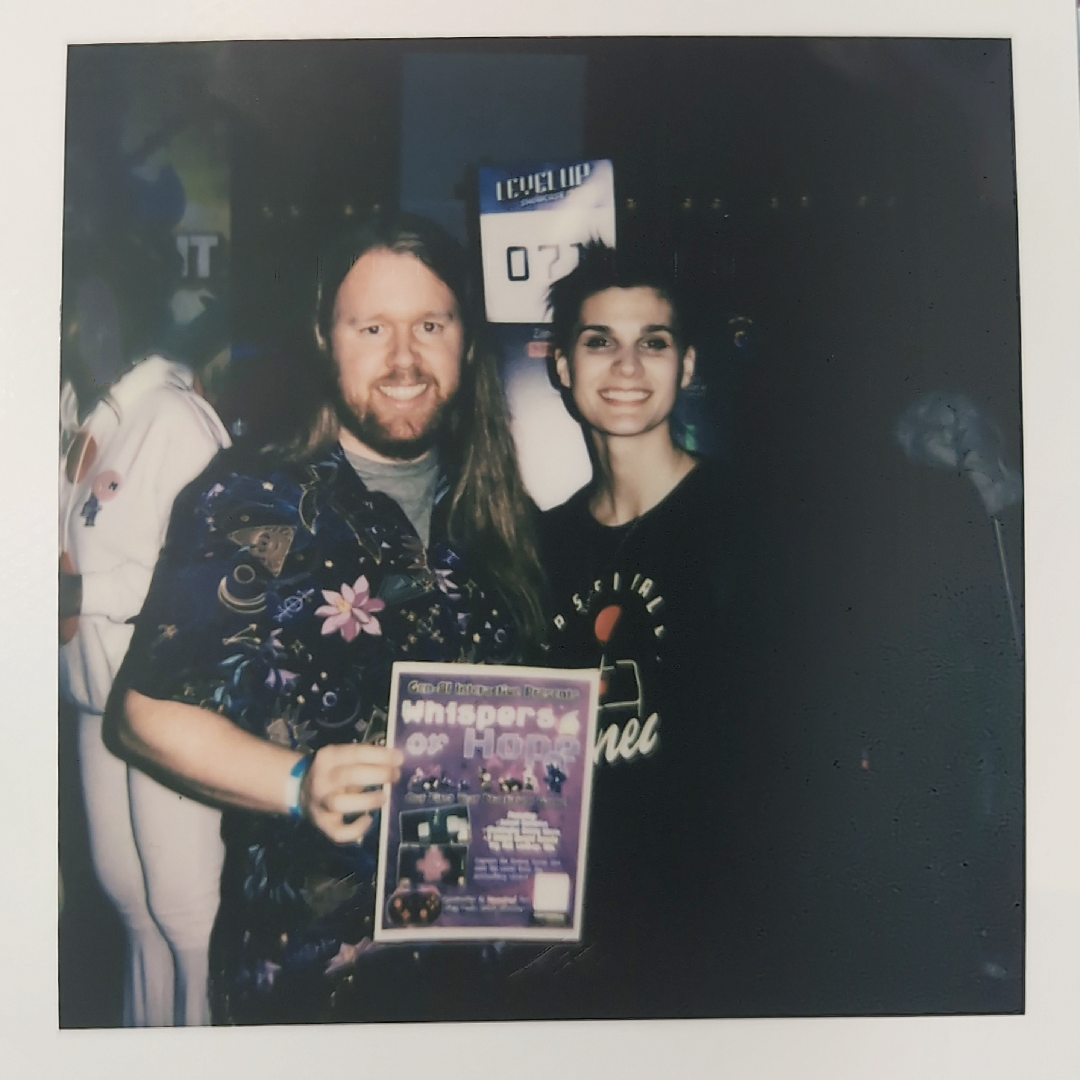
- Level Up Showcase 2025, CNE Gaming Garage 2025
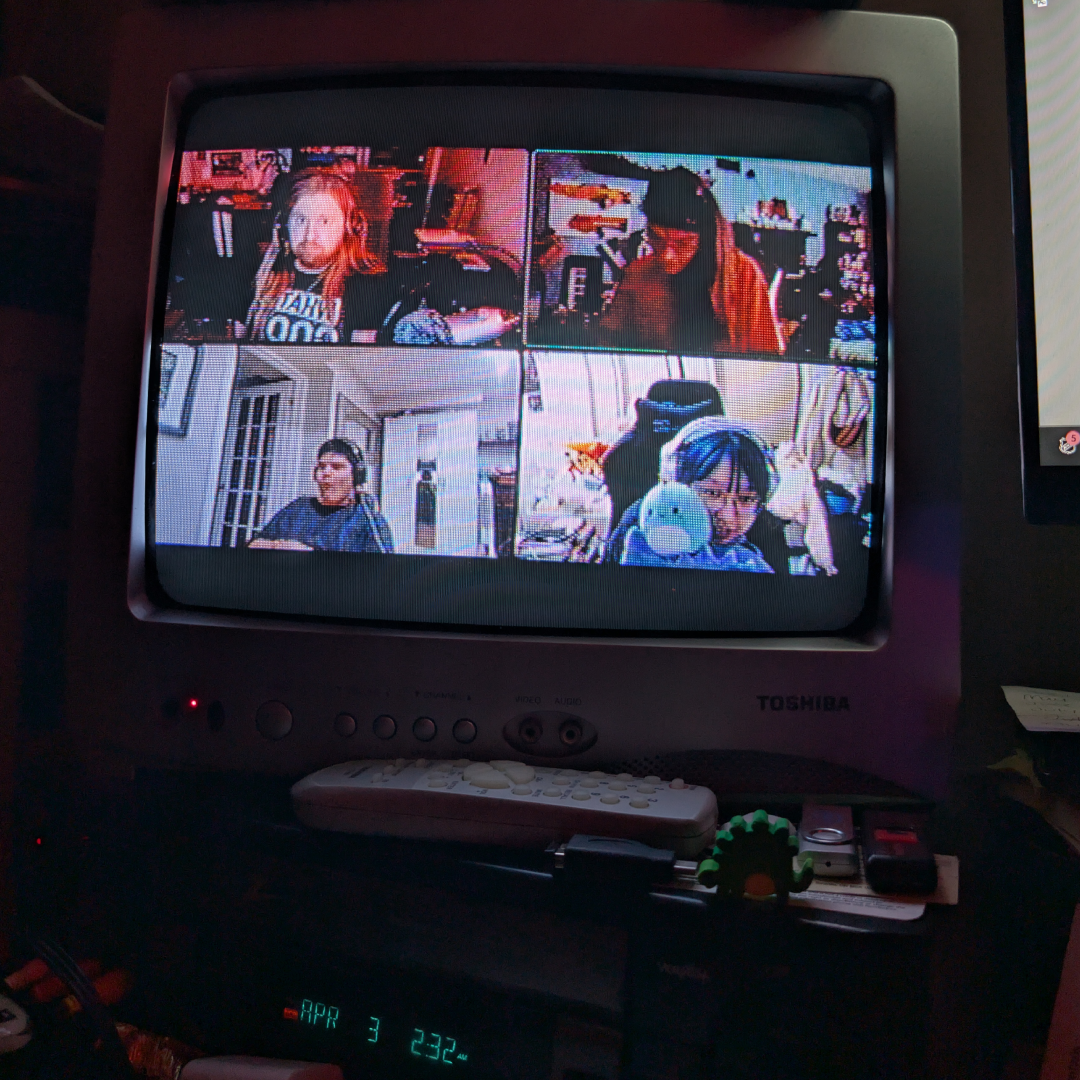
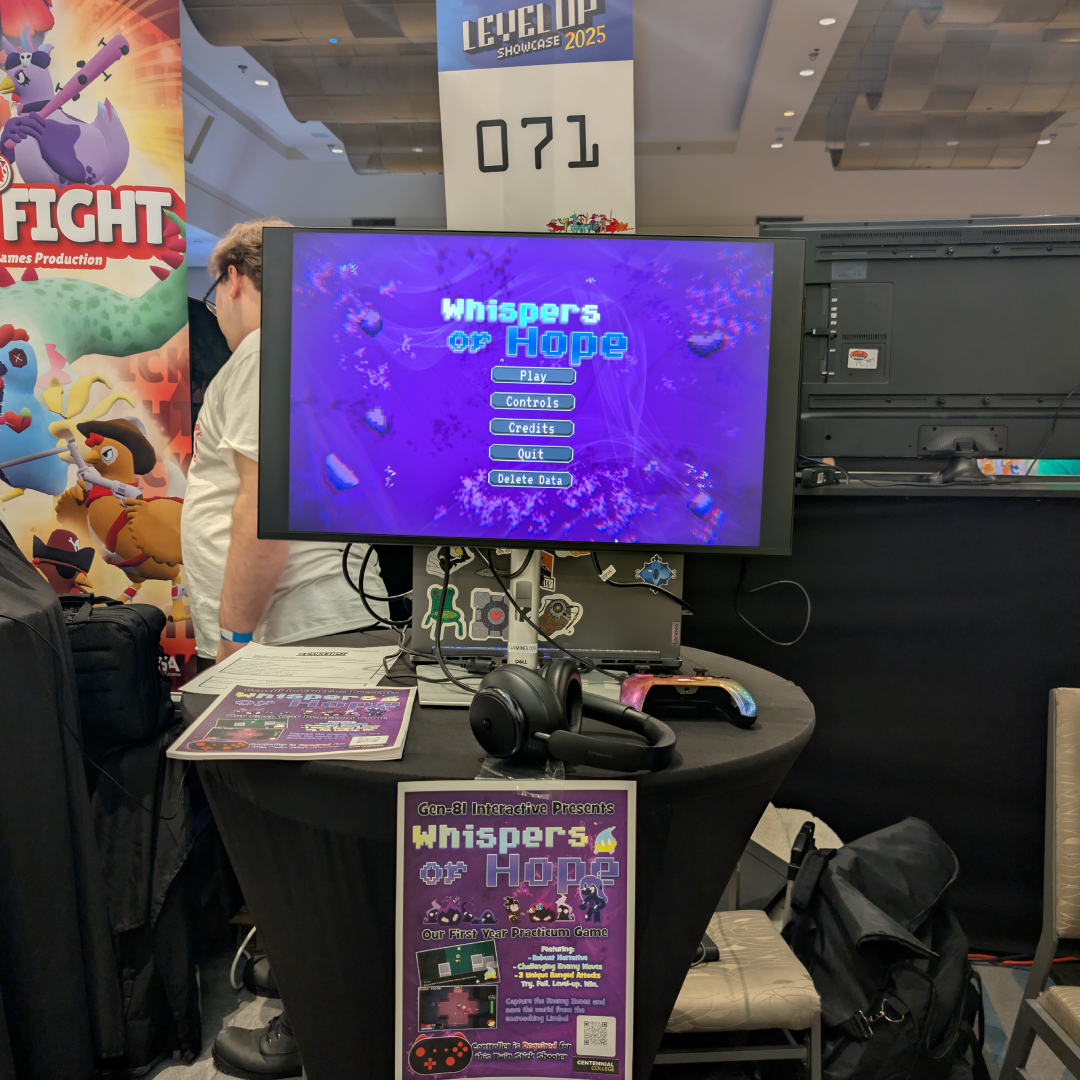
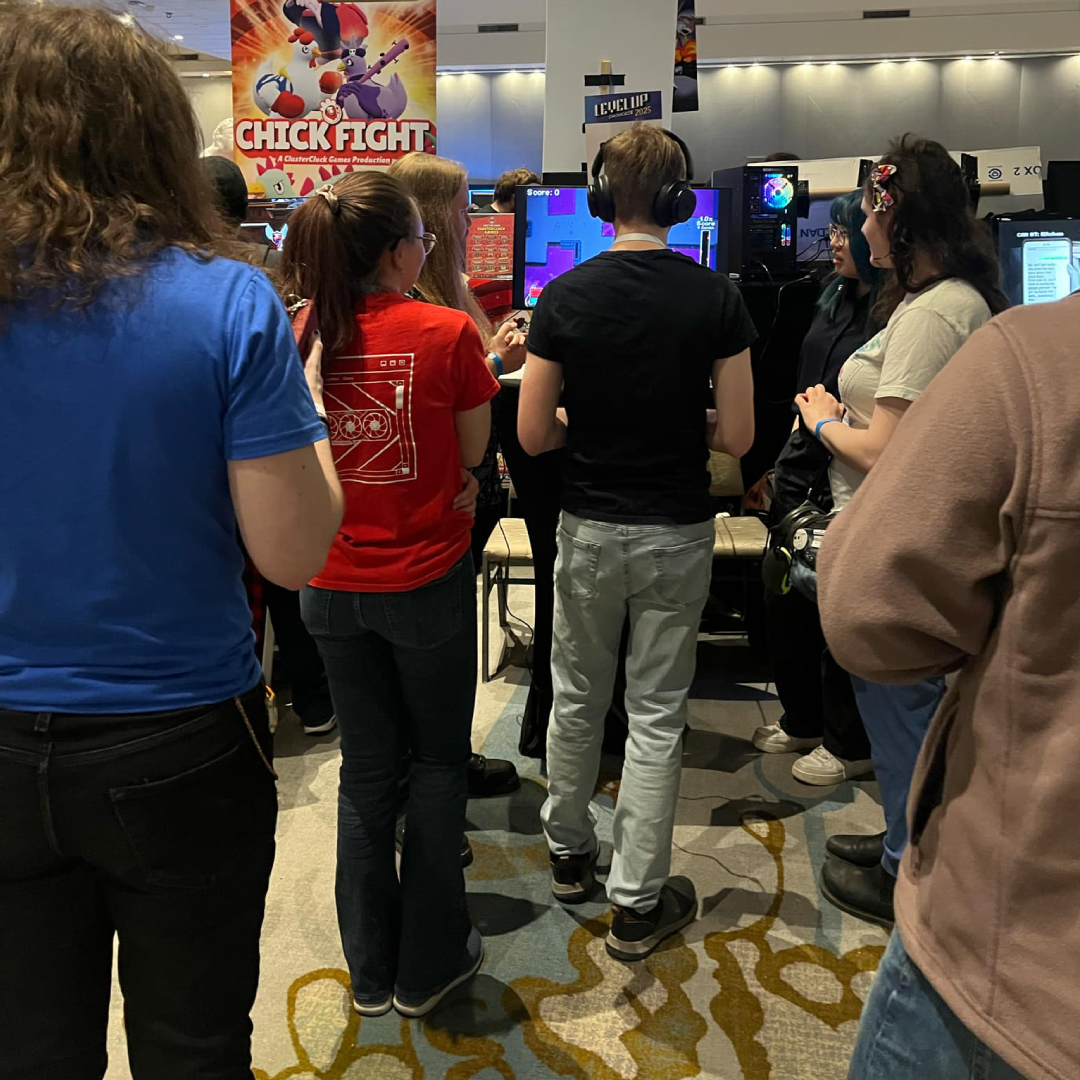
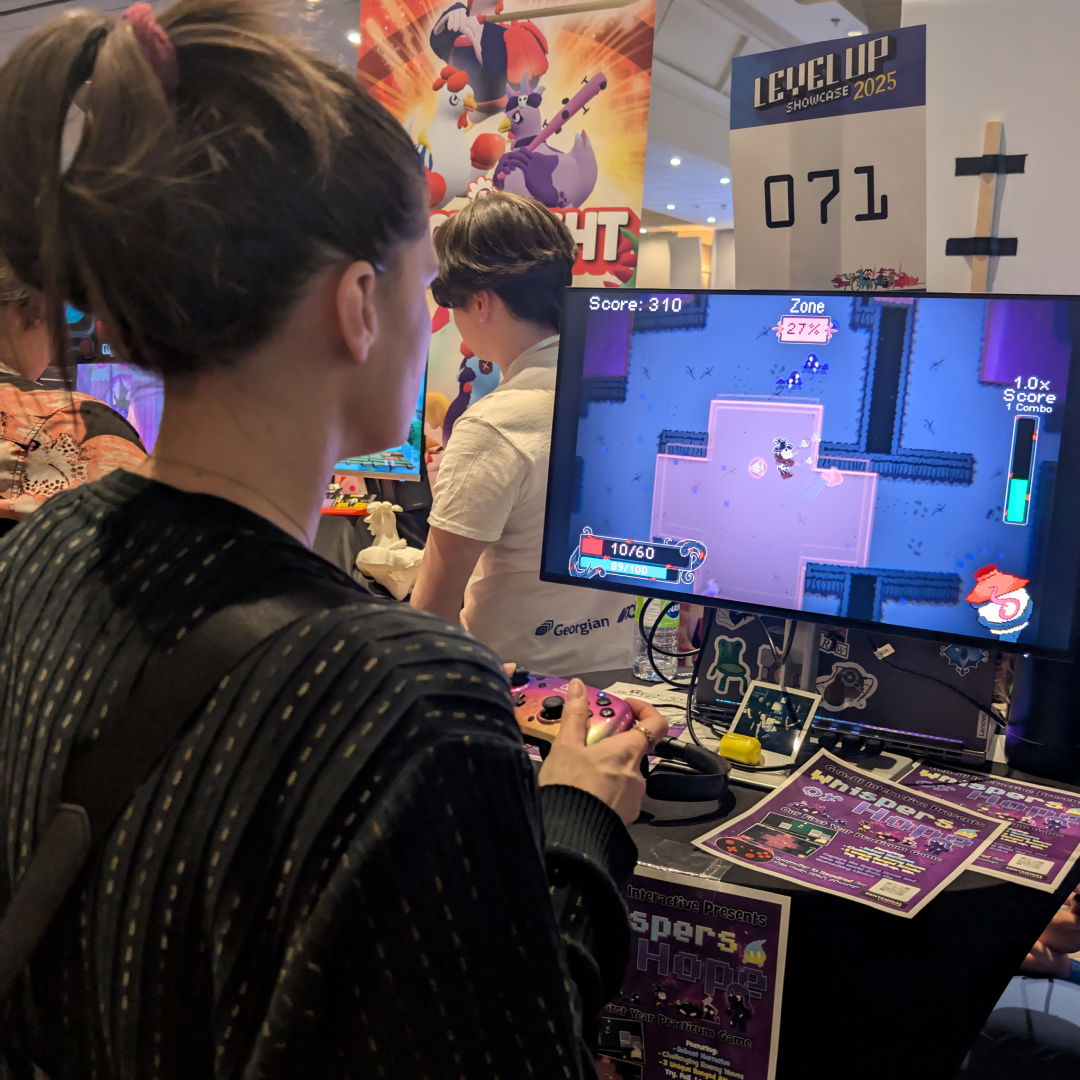
- Managed five people from pitch to a finished, playable game in one semester, ending the course with an A+.
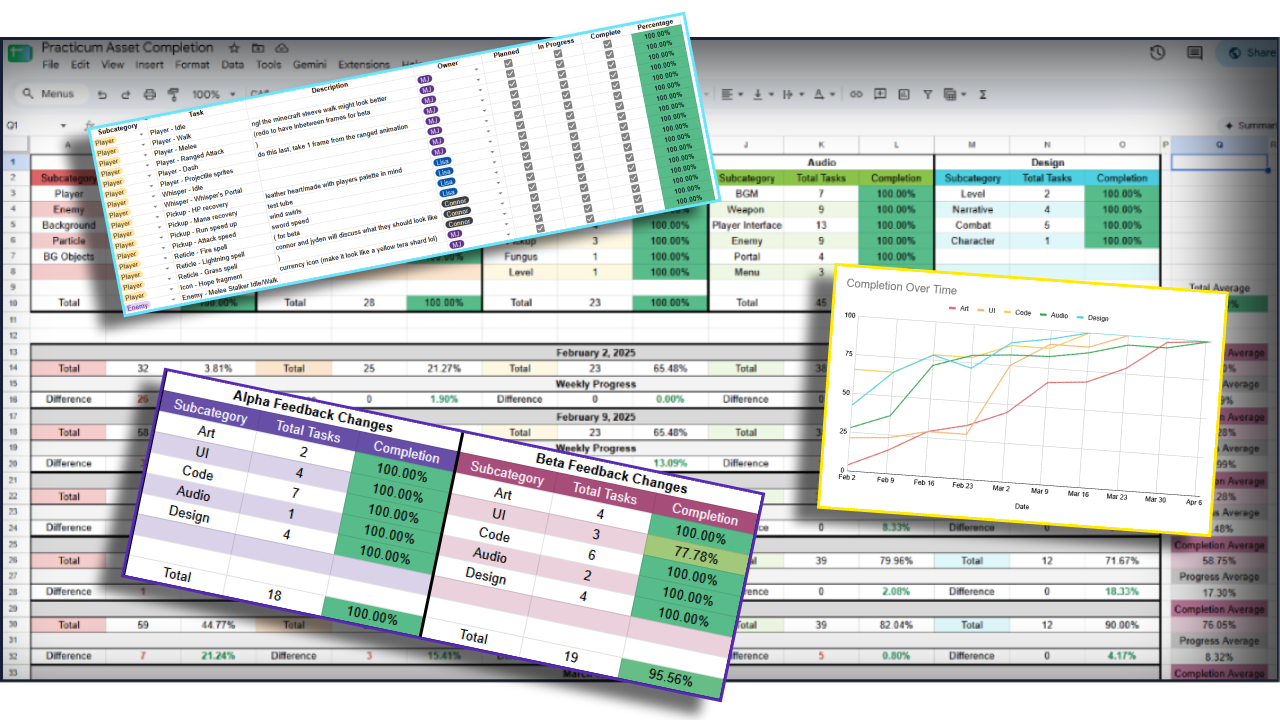
- Built the team's tracking spreadsheet: 171 tasks across five departments, snapshotted weekly, all taken to 100%.
- Ran the weekly progress meetings and kept the design document as the single source of truth.
- Ran two in-person playtests, collected 46 survey responses, and turned them into 37 prioritised tasks. 36 shipped.
- Cut the game from three levels to one when the team was burning out, and shipped on time.
- Took implementation work off our programmer so he could finish the level design.
- Set up and maintained the GitHub repository.
The project
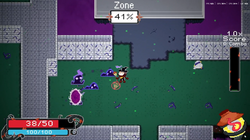
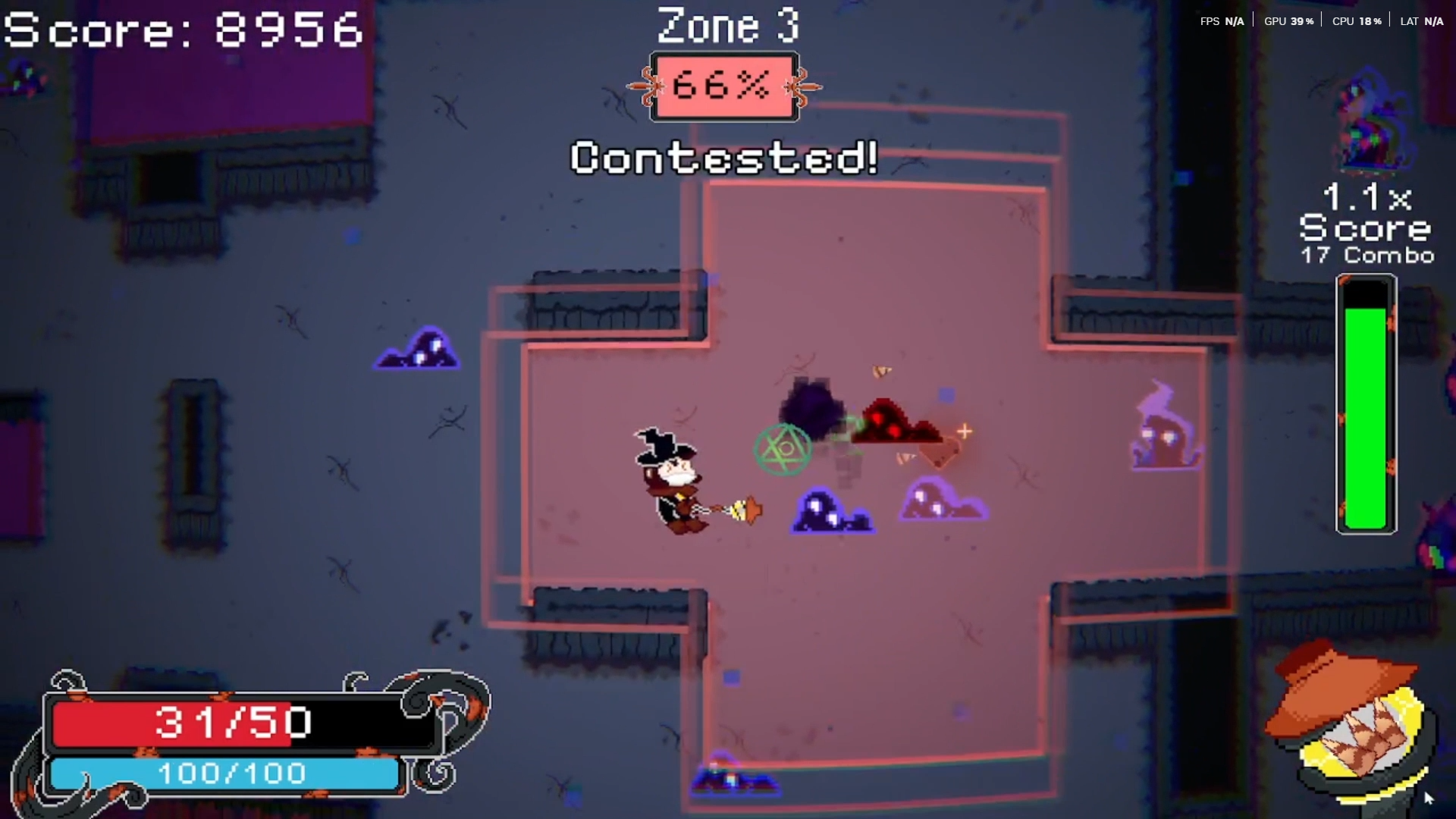
Whispers of Hope is a top-down twin-stick shooter. You play an apprentice sorcerer defending zones inside Limbo with three elemental spells and a staff to melee. It was our first-year practicum which took place over one semester and had a pre-baked required genre with a controller-only rule.
What I owned
- The schedule and what was due each week, who it depended on, and whether it was going to make it on time.
- The weekly meeting, where each of us reported progress, problems and plans.
- The design document, kept up to date as the game evolved.
- The task spreadsheet and the GitHub repository.
- Playtesting: recruiting players, the feedback surveys, and the presentations of what we found.
- Whatever was about to miss a deadline.
How I worked
We hadn't been taught any project management yet. I knew Jira from my QA work, but it was more than a five-person, 4-month-long class project needed. So I built a spreadsheet with one sheet per department: art, UI, code, audio and design.
Every task had an owner and three tick boxes: planned, in progress, complete. Each tick moved that task's percentage, the sheets rolled up into an overview, and every Sunday I copied the totals down on the overview page. We could see exactly how far each department had moved that week, and the team got to watch the numbers climb.
Most days we talked in class and on a Discord server organised like a studio Slack, with a channel for each department.
One hard decision
We planned three levels. Around the middle of the semester the level design was getting complicated, our programmer was carrying most of the implementation, and people across the whole class were talking about burning out. We cut Areas 2 and 3 and combined the best parts of all three into one larger level.
We lost content we liked. We kept the team, and we kept the deadline. Our professor, Brian Sinasac, has a line for it: "There's the game you want to make, there's the game you can make, and there's the game you do make."
Outcome
- A finished game with a tutorial, one large level, four enemy types and a boss.
- All 171 planned tasks complete, and 36 of 37 playtest fixes shipped.
- Top marks at nearly every milestone.
- Selected for the Level Up Showcase in Toronto, and published on the Game Development program's itch.io page.
What I'd do differently
I'd spread the implementation work from the first week. By week six our programmer was importing art, wiring up audio and building levels on top of writing the code, and I only started taking pieces off him once he was already overloaded. On our next project I did hands-on implementation from the start.
I'd also plan one level first and add more only if we had time, so that a cut never has to happen under pressure.
How the team came together
Five of us had become friends during first semester, so when the practicum came around we were already a group. I was nominated project manager more or less by default. I'm older than my classmates by more than a decade, and I'm neither an artist nor a programmer. I can use Photoshop as a tool and I can adjust values in the Unity editor, but the team had people who were far better at making things, and the right move was to let them.
Homework before design
The brief required a twin-stick shooter, and some of the team had never played the games I grew up with. So before we designed anything, I assigned homework: watch footage of a few twin-stick shooters and write down what each one does.
Two of them control very differently. In Geometry Wars you move with the left stick and fire the moment you push the right stick. In Halo: Spartan Assault you aim with the right stick and nothing fires until you pull the trigger. Our writer's story was about a sorcerer with several spells and a limited pool of mana. A sorcerer's spells should be a deliberate choice, so we went with aim on the stick and cast on the trigger. That one decision shaped the mana system, the spell switching and most of the combat.
Managing when you don't make the assets
The hard part of this job is that everyone else ends the week with something that has their name on it. My weeks were meeting notes, a to-do list for the next submission, and making sure nobody was waiting on anybody else.
So I floated. I made the title logo and used it for posters advertising our playtests around campus. When it looked like the music wouldn't be ready for a deadline, I found royalty-free tracks that fit and put them in the game myself. When our programmer had set up the dialogue system and was out of hours, I entered the script and playtested every line to make sure it fit its text box.
Week six
My entry in that week's progress report, under Problems, reads: "Watching team members get burned out while I'm sitting here unsure how to help and not cause any conflicts." Under Plans, I wrote that I'd find a way to take work off our programmer.
That became the dialogue, the music, and importing art for a teammate who hadn't learned how yet. It freed him to finish the level design, which he wanted to own. It was also when we made the call to go from three levels to one.
Whose task is it?
At one point a teammate got worried that someone else's work wasn't moving fast enough and started on it themself. I talked to them. Wanting to do more was fine, but the task had an owner, and the owner and I needed to hear about it first. They took it well. Since then, when they're concerned, they talk to the owner and then tell me what they plan to do.
Playtesting
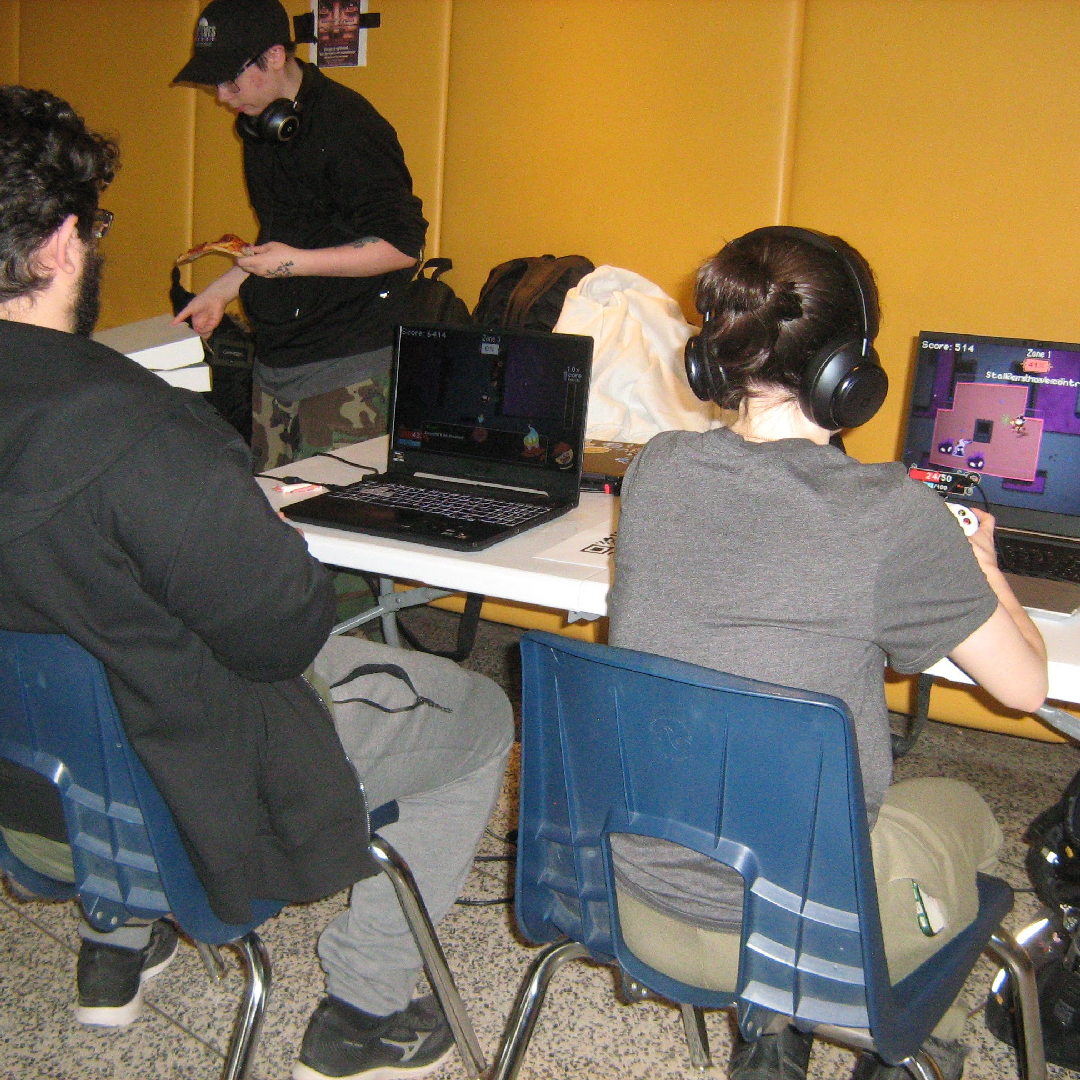
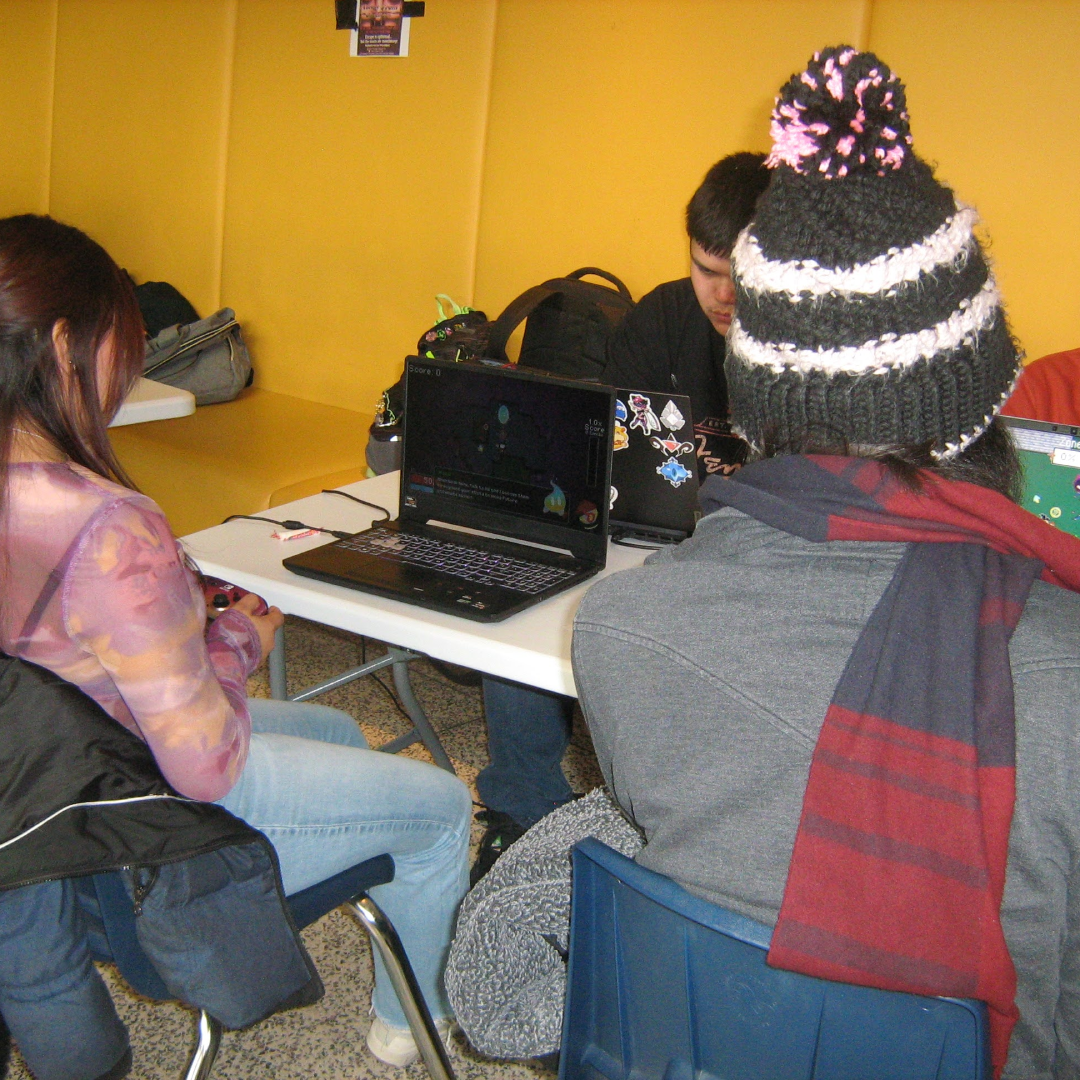
We ran two playtests in person, one day each. We stopped students from other programs on their way to lunch, talked them into playing, and had them fill in a survey I'd written and the team edited. The alpha got 27 responses and the beta got 19.
Both surveys asked players to rate a few things on a scale of 1 to 10. These are the questions that were on both, with the scores averaged for each round. Higher isn't always better, so here's what each end means and what we were aiming for.
- Enjoyment: "Did you enjoy playing the game?" in the alpha, and "How much did you enjoy your play experience?" in the beta. 1 is not at all, 10 is a lot. Higher is better.
- Controls: "How easy was it to understand the game's controls?" 1 is very hard to understand, 10 is very easy. Higher is better.
- Challenge: "How challenging was the game?" in the alpha, and "How challenging did you find the overall game?" in the beta. 1 is way too easy, 10 is way too hard. We wanted the middle.
- Would recommend: "Would you recommend this game to a friend?" Answered yes, no or unsure.
| Playtest | Responses | Played the alpha | Enjoyment | Controls | Challenge | Would recommend |
|---|---|---|---|---|---|---|
| Alpha, March 2025 | 27 | – | 8.1 | 7.7 | 7.3 | 20 of 27 |
| Beta, March 2025 | 19 | 14 | 8.5 | 7.7 | 6.4 | 16 of 19 |
The alpha leaned too hard. After we rebalanced the enemies, challenge came down closer to the middle, and enjoyment went up. The beta also showed us what players were missing. Only 8 of 19 levelled up their character at the hub, and only 5 of 19 made it to the boss.
I sorted the feedback with a simple rule. Anything that broke the game or blocked progress was high priority. Balance was ongoing and sat in the middle. Matters of taste were low. The alpha round gave us a proper tutorial, rebalanced enemies, eased aiming and a smaller HUD. The beta round fixed the level-up screen that players weren't finding and slowed the rate at which enemies took zones back.
Some feedback we declined. Several players wanted the game to aim and fire by itself, like Vampire Survivors. That's a good game, but it isn't a twin-stick shooter, and a twin-stick shooter was the assignment.
Level Up
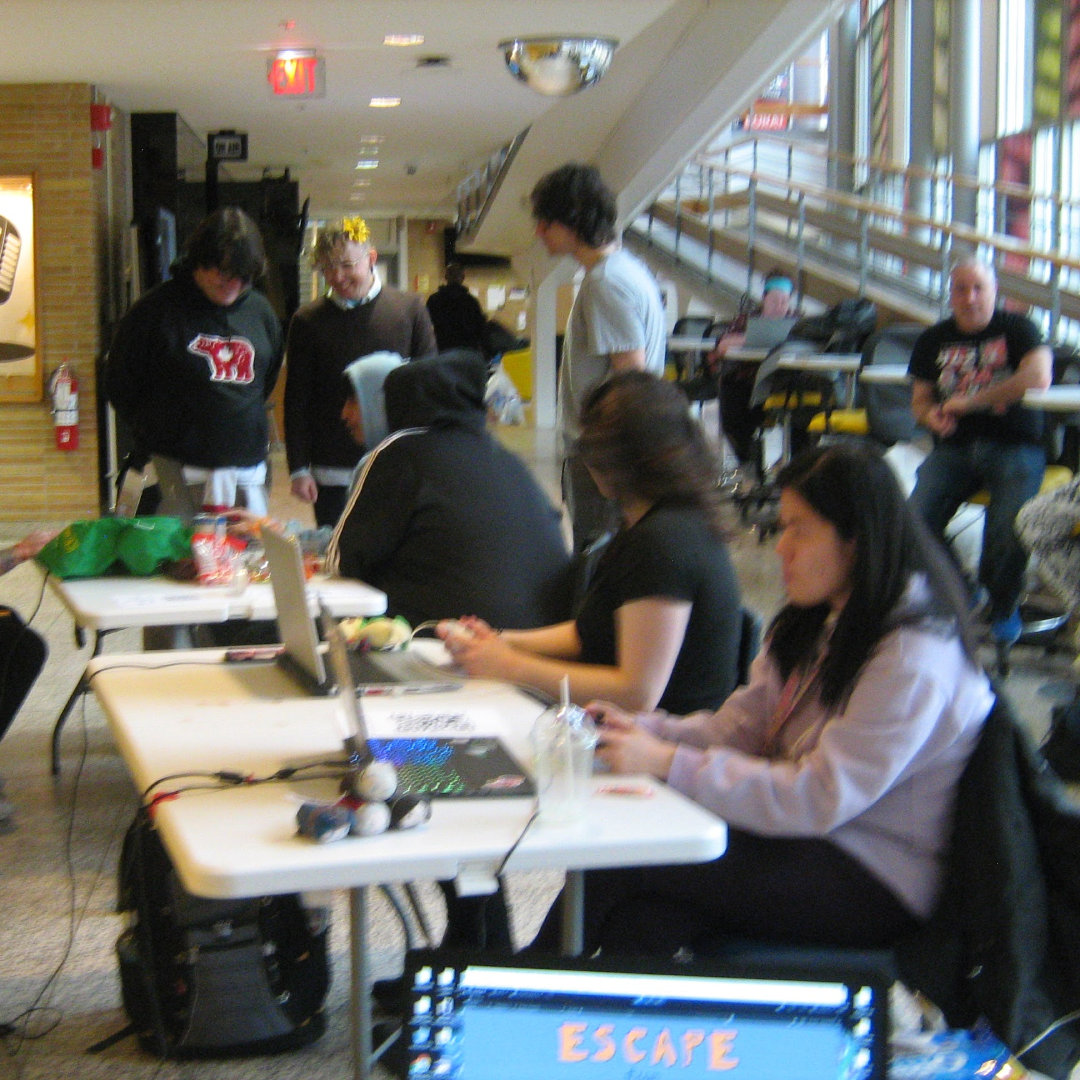
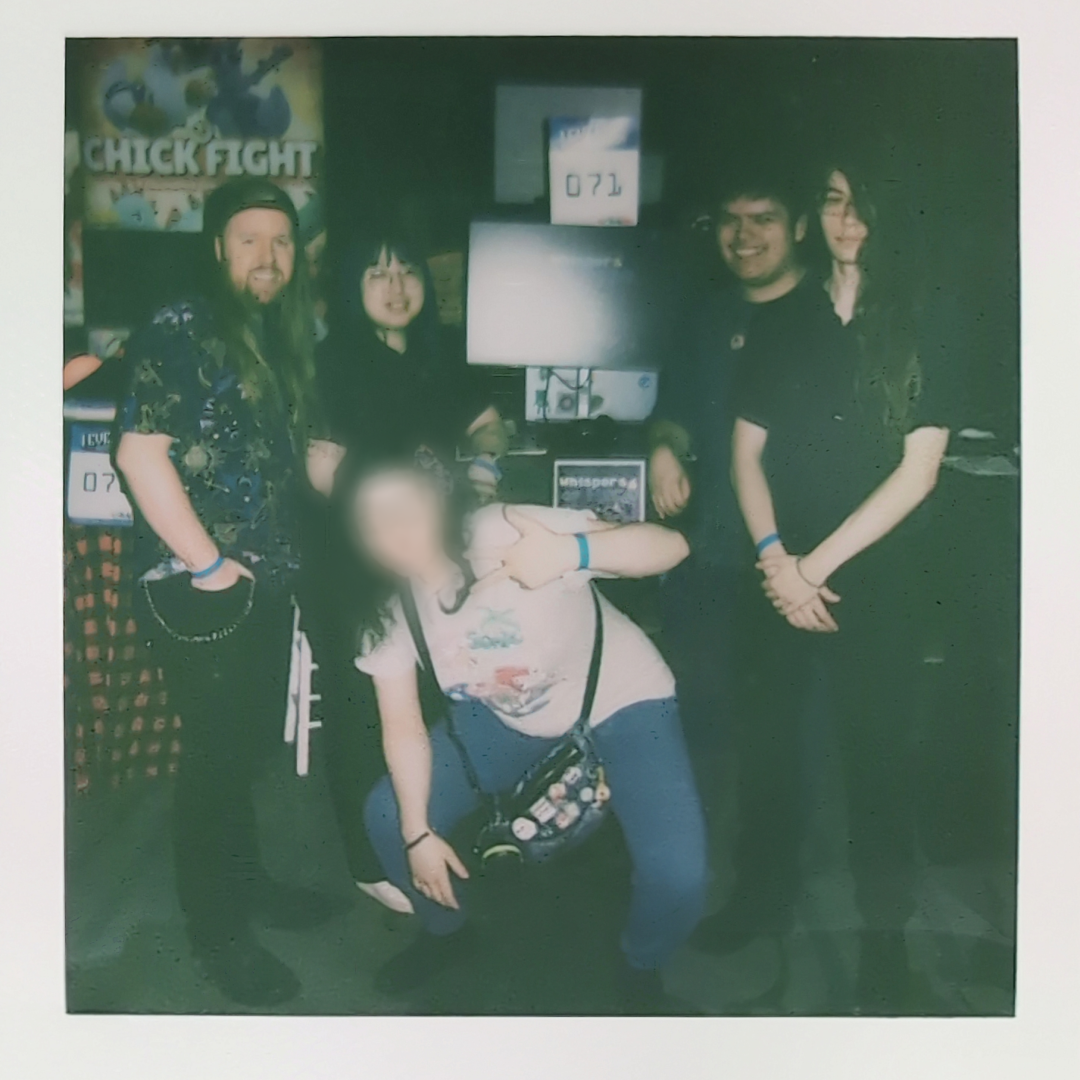
Our professors recommended we submit to the Level Up Showcase. There were at least 150 games, and every judge saw every one. The art judges came back to our table a second and a third time, and were surprised to learn we were first-year students. We didn't win a prize, but making it through multiple rounds in our first year still felt great.
What I took from it
A project manager's output is other people's finished work. My job was to make sure the people who could build things were never waiting on me or on each other, to notice a problem a week before it became a missed deadline, and to make the unpopular call when the plan no longer fit the team.